Hydrogen therapy for chronic rhinitis [review]
Hydrogen has therapeutic and potential therapeutic effects on over 200 diseases and injuries, which have been accumulated through the hard work of thousands of researchers over the past decade. In the field of research on the effects of rhinitis, Director Yu Shaoqing's team from Tongji Hospital of Shanghai Tongji University has conducted a series of studies from basic to clinical aspects. Recently, the team has reviewed research in this area in the past few years, providing excellent materials for everyone to learn and understand the research on hydrogen treatment of rhinitis. Hydrogen language is particularly recommended to everyone.
Abstract: Chronic nasal mucositive disease is a common nasal cavity disease that is affected by inflammatory cells and various cytokines. Its main pathological features are inflammation, increased secretion, mucosal swelling, and thickening of the nasal cavity or paranasal sinuses. Mainly including chronic rhinitis (divided into allergic rhinitis and non allergic rhinitis), chronic sinusitis (divided into nasal polyp type and non nasal polyp type), etc. The main symptoms of chronic rhinitis are nasal itching, sneezing, runny nose, and nasal congestion. The main symptoms of chronic sinusitis are nasal congestion, purulent or viscous nasal mucus, headache, and decreased sense of smell. They are a disease with high incidence rate and seriously affect the quality of human life. Despite extensive research on the etiology and treatment methods of this type of disease, there are still many aspects that are still unclear. At present, oxidative stress is considered an important link in the pathogenesis of chronic inflammatory diseases of the nasal mucosa. Therefore, antioxidant stress is a research direction for the treatment of chronic nasal mucosal inflammatory diseases. Hydrogen, as a medical therapeutic gas, has been widely studied for its antioxidant, anti-inflammatory, and anti damage properties and has been used to treat various diseases. Although there is relatively little research on the use of hydrogen gas to treat nasal inflammation, its positive effects have also been found. This article systematically summarizes the relevant research on using hydrogen to improve chronic nasal mucosal inflammation, aiming to clarify the ideas and provide direction for further research in the future.
The following is the main text section, which is more suitable for professionals to read and learn in detail.
1、 Introduction
The characteristic of chronic inflammatory diseases of the nasal mucosa is the co involvement of inflammatory cells (such as eosinophils, neutrophils, and macrophages) with various cytokines, with nasal mucosal inflammatory response, high mucus secretion, and tissue remodeling as the main pathological features, including chronic rhinitis (CR) and chronic sinusitis (CRS). Chronic rhinitis (CR) affects approximately 30% of the global population and has become an important chronic inflammatory respiratory disease, seriously affecting the quality of life and socio-economic status of patients. CR is a chronic inflammatory disease of the nasal mucosa, mainly characterized by symptoms such as nasal itching, sneezing, anterior or posterior nasal secretions, and nasal congestion. It lasts at least one hour per day and for more than 12 weeks per year. CR can be classified into allergic rhinitis (AR) and non allergic rhinitis (NAR) based on the presence of specific allergens for sensitization. It is estimated that around 50 billion people worldwide suffer from AR, and NAR affects the lives of over 20 billion people. Chronic sinusitis (CRS) is a chronic inflammation of the sinus mucosa, with common symptoms including nasal congestion, runny nose accompanied by viscous or purulent secretions, decreased sense of smell, and persistent facial pain lasting for more than 12 weeks. The incidence rate of 6CRS is 8%~15%, which seriously affects people's quality of life and causes huge economic burden. However, the etiology and pathogenesis of these types of diseases are extremely complex and not fully understood. At present, oxidative stress is considered an important link in the pathogenesis of chronic inflammatory diseases of the nasal mucosa, and many scholars are exploring treatment methods for oxidative stress. 15-18
Since 2007, a research team led by Japanese scientist Ozawa has discovered for the first time that hydrogen (H2) has good therapeutic value in treating cerebral ischemia-reperfusion injury. Since then, H2 has attracted the attention of researchers as a therapeutic gas molecule. H2 has been proven to have significant therapeutic effects in various disease models, involving nearly 100 diseases, and some studies have been extended to clinical trials. At present, it has been determined that hydrogen has selective antioxidant and anti-inflammatory properties. In recent years, scholars have studied whether it can play a targeted therapeutic role in the oxidative stress pathway of chronic nasal mucosal inflammation. The following is a summary of basic and clinical research related to the current field, in order to facilitate further in-depth research in the future.
2、 Oxidative stress mechanism and hydrogen therapy mechanism
2.1 Oxidative stress mechanism of rhinitis
The nasal mucosal epithelium plays an important role in oxygen exchange in the respiratory tract. It constantly comes into contact with pathogenic factors such as dust, allergens, and pathogens in the air, recruits inflammatory cells (eosinophils, neutrophils, and lymphocytes), and releases reactive oxygen species (ROS), directly or indirectly activating oxidative stress mechanisms (Figure 1). Oxidative stress is an imbalance between oxidation and antioxidant defense, leading to excessive production of ROS. This can activate inflammasomes and various transcription factors, leading to the production of inflammatory cytokines, damaging the integrity of nasal mucosal cilia, altering the expression of adhesion molecules, leading to changes in permeability and increased mucus production, causing symptoms of nasal inflammation such as congestion and runny nose (Figure 1). Currently, there has been considerable research on the oxidative stress mechanism of CR, especially AR. Inflammation promotes oxidative stress response, which in turn exacerbates allergic inflammation, and the two mutually promote each other. 21, 22
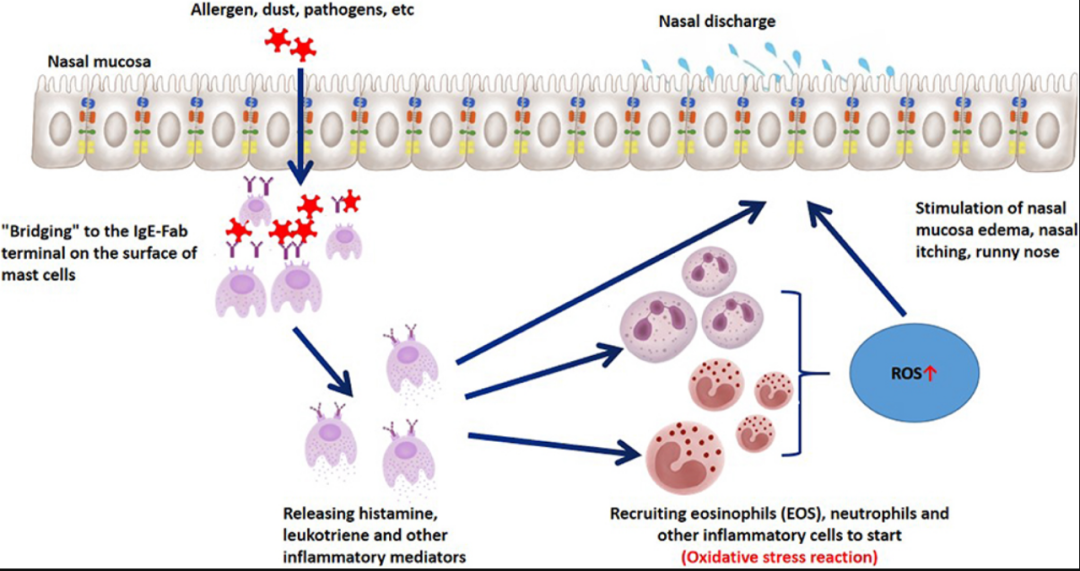
Figure 1 Oxidative stress in nasal mucositis.
There are also many studies on the oxidative stress mechanism of CRS. The literature indicates that the expression of cell protective enzymes in CRS patients increases, indicating that oxidative stress plays a role in the pathophysiology of CRS. 14, 23 also found a higher content of oxygen free radicals in nasal polyp tissue, indicating that oxygen free radical damage is related to the pathogenesis of nasal polyps. Studies have shown that the destruction of Nrf2 in nasal sinus epithelial cells enhances susceptibility to sinusitis in mouse models. 13Nrf2 is a transcription factor involved in regulating multiple antioxidant genes, thereby confirming the genetic involvement of oxidative stress mechanisms in the pathogenesis of CRS.
2.2 The therapeutic mechanism of hydrogen
In recent years, research on hydrogen therapy for treating diseases has been very extensive, with the most prominent and clear mechanism of its therapeutic effect being its antioxidant effect. Hydrogen can selectively neutralize highly toxic free radicals, such as hydroxyl radicals (- OH) and peroxynitrite anions (ONOO -), but has no neutralizing effect on physiologically active free radicals. Hydrogen can also exert indirect antioxidant effects by increasing the activity of antioxidant enzymes, including heme oxygenase 1 (HMOX1), superoxide dismutase 33, catalase 34, and myeloperoxidase 35. A study found that hydrogen can regulate the activity and expression level of antioxidant enzymes through the Nrf2 signaling pathway. thirty-seven
Inflammation is a common pathological process in various diseases. The inflammatory mechanisms that cause damage to the body include promoting excessive activation of the immune system and the release of inflammatory factors. In recent years, multiple studies have found that molecular hydrogen can reduce the production of inflammatory factors 28, 38, 39, and increase the release of anti-inflammatory factors, thereby playing an anti-inflammatory role. Hydrogen also has anti apoptotic effects 32, 40, 41 and affects hormone levels and activity. 42, 43
Based on the above research, we found that the formation of chronic nasal mucosal inflammation is closely related to the mechanism of oxidative stress. Therefore, research on oxidative stress mechanisms can not only alleviate inflammatory reactions, but also prevent the further development of chronic nasal mucosal inflammation, and is expected to become an effective way to treat or improve chronic nasal mucosal inflammation. The main therapeutic mechanism of hydrogen is antioxidant stress, which theoretically can be used to improve chronic inflammation of the nasal mucosa.
Basic research on hydrogen gas improving nasal mucosal inflammation
One of the important achievements in medical development in recent years is the discovery that signal gases are important regulatory factors for oxidative/antioxidant imbalances, including nitric oxide (NO), carbon monoxide (CO), hydrogen sulfide (H2S), and H2. Since the internationally renowned journal Nature Medicine reported in 2 years that H2007 can effectively scavenge oxygen free radicals, the physiological role of H2 has received increasing attention. In recent years, basic research on hydrogen in improving nasal mucositis has shown that hydrogen can improve nasal mucosal inflammation.
2.3 Hydrogen reduces oxidative stress in inflamed nasal mucosa
Due to its small molecular size, H2 easily penetrates the biofilm and reaches target sites that most antioxidants cannot effectively reach, such as mitochondria and cell nuclei. H2 effectively cleared the main substances that cause oxidative damage, such as OH and ONOO -, which has been demonstrated by Ohsawa et al. at the cellular level. nineteen
Yu et al. divided guinea pigs into two groups: the AR model group and the normal guinea pig group. Each group is further divided into 2 subgroups, with one subgroup receiving injection of hydrogen rich physiological saline and the other subgroup receiving injection of physiological saline. Measure and observe serum IgE, blood eosinophil count, and eosinophil cationic protein (ECP) levels. Use serum malondialdehyde (MDA) and superoxide dismutase (SOD) analysis to detect oxidative stress. MDA is a biomarker of lipid peroxidation, and SOD can eliminate ROS, reduce lipid peroxidation, and protect cells from toxic oxygen free radicals. It is an important enzyme that defends against superoxide from the body or external environment. The results showed that hydrogen rich saline could reduce the levels of ROS and MDA, increase SOD levels, and reduce the frequency of sneezing and scratching in the AR-HRS group of guinea pigs. At the same time, it was found that the number of eosinophils and serum ECP levels in the AR-HRS group decreased. This study suggests that hydrogen can reduce oxidative stress and alleviate allergic symptoms by increasing SOD levels and neutralizing ROS (reduced MDA).
Therefore, H2 achieves its antioxidant effect by directly neutralizing free radicals and indirectly increasing SOD levels.
2.4 Hydrogen reduces the inflammatory response of nasal mucosa
The long-term presence of inflammatory factors in the nasal mucosa, such as immune responses involving many inflammatory mediators, ultimately leads to chronic and persistent damage to the mucosa, resulting in chronic inflammation of the nasal mucosa. These inflammatory mediators include histamine, kinin, and many cytokines such as IL-1, IL-4, IL-6, IL-11, and IL-13. IL-4 and IL-13 are mainly secreted by activated Th2 cells and positively regulate immune function. They are widely recognized as key mediators in the pathogenesis of AR, directly affecting the maturation and migration of Th2 cells. IL-4 and IL-13 share the same receptor subunit and play a crucial role in IgE dependent inflammatory response, acting on B cells to induce IgE production.
Zhao et al. conducted animal experiments on AR. They divided 18 guinea pigs into three groups: a saline control group, an AR sensitization group, and a hydrogen rich saline (HRS) treatment group. They measured the levels of IgE and cytokines (IL-4 and IL-13) in serum and used real-time reverse transcription polymerase chain reaction and Western blotting to detect the expression levels of IL-4 and IL-13 mRNA and proteins in nasal mucosa. The results showed that the serum IgE, IL-4, and IL-13 levels in AR guinea pigs treated with HRS were significantly reduced (p<0.05), and the expression levels of IL-4 and IL-13 mRNA and protein in the nasal mucosa were also lower than those in the AR group without HRS treatment. This indicates that HRS can alleviate inflammation by inhibiting the MAPK signaling pathway in the AR guinea pig model, promote the physiological function recovery of the nasal mucosa, and thereby reduce the transcription and expression of inflammatory factors such as IL-4 and IL-13.
CD4+CD25+regulatory T cells (Tregs) are a subset of CD4+T cells derived from the thymus, which can secrete high levels of anti-inflammatory cytokines, including transforming growth factor (TGF) - β and interleukin-10. CD4+CD25+Treg cells play an important role in balancing Th1/Th2 cell differentiation and participating in allergic inflammation. Defective Treg function or reduced Treg cell count can trigger the development and progression of AR. Xu et al.'s basic research has shown that HRS can inhibit allergic inflammation by increasing the number of CD4+CD25+Foxp3+Treg cells in AR guinea pigs, promoting the expression of IL-10, TGF - β, and Foxp3.
The study also found that by inhaling H2, the AR mouse model can reduce the infiltration of inflammatory cells into the mucosa, lower the levels of IL-5, IL-13, and monocyte chemotactic protein-1 (MCP-1) in serum, indicating that H2 may be valuable for the treatment of allergic diseases. eighteen
In summary, hydrogen can improve nasal mucosal inflammation by increasing the number and function of Treg cells, increasing the release of anti-inflammatory factors (TGF - β and IL-10), or by inhibiting the secretion of inflammatory cytokines (IL-13, IL-2, etc.) by Th4 cells (Figure 2).
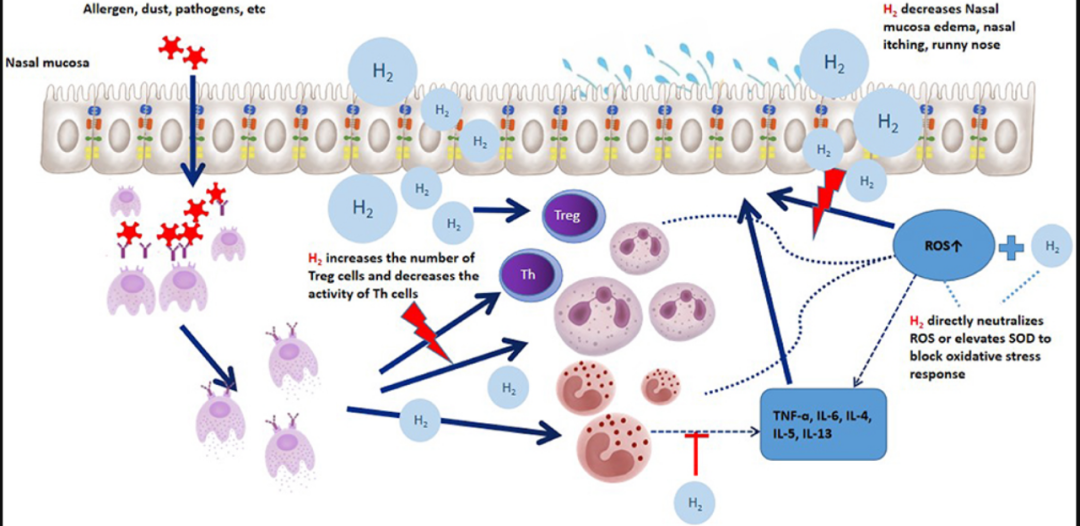
Figure 2: Mechanism of hydrogen gas on nasal mucosal inflammation
2.5 Improving nasal mucosal inflammation by regulating cellular signaling pathways
Hydrogen is a small molecule gas with strong diffusion ability, which can directly enter organelles related to cellular functions such as mitochondria. In recent years, an increasing number of studies have shown that hydrogen is involved in regulating cellular signaling pathways and exerts antioxidant and anti-inflammatory effects by activating certain signaling pathways, such as reducing levels of TNF - α and IL-6, 47-49, and inhibiting phosphorylation signaling pathways associated with hypersensitivity reactions. Hydrogen can also regulate the antioxidant activity of antioxidant enzymes through Nrf2 as a signaling factor. 35,50Nrf2 is an important factor in clearing oxidative free radicals in the body. It not only inhibits the occurrence and development of oxidative stress reactions, but also regulates the expression of antioxidant enzymes such as SOD, catalase, and glutathione peroxidase. Ito et al. reported that drinking hydrogen water can regulate the phosphorylation and downstream signaling of high-affinity IgE receptor Fc ε RI, alleviating immediate hypersensitivity reactions, indicating that hydrogen may also exert its effects by regulating certain signaling pathways.
As mentioned earlier, basic research on hydrogen therapy for chronic inflammation of nasal mucosa has been shown to improve rhinitis symptoms in terms of oxidative stress, inflammatory mediators, and signaling pathways, as shown in Table 1. These studies are still in the early stages, with a relatively short observation period (7-14 days), thus lacking evidence to improve nasal mucosal tissue remodeling.
Table 1 Basic Study on Hydrogen Improving Chronic Inflammation of Nasal Mucosa
3、 The application of hydrogen in clinical research to improve nasal mucositis
Based on basic research, some scholars have proposed the use of hydrogen rich physiological saline for clinical treatment of chronic nasal mucosal inflammatory diseases. Due to its non irritating, high safety, no obvious side effects, and the ability to directly act on the nasal mucosa through nasal administration, it can quickly exert antioxidant and anti-inflammatory effects. Therefore, it is worth studying its applicability in clinical practice.
CR includes two main types of rhinitis: AR and NAR. The treatment mainly includes nasal corticosteroids, antihistamines, and nasal congestion reducing agents. However, in recent years, many patients have tended to use nasal saline irrigation without side effects due to the side effects of drugs. However, simple physiological saline flushing only has a physical flushing effect and does not have anti-inflammatory therapeutic effects.
Jin et al. conducted a preliminary study on a small group of AR patients and found that nasal irrigation with hydrogen rich physiological saline can significantly improve the physiological function of the nasal mucosa in AR patients. Based on this, the sample size was further expanded, and 120 CR patients, including AR and NAR, were randomly divided into two groups: the hydrogen rich saline group and the saline group, for a double-blind controlled study. After treatment, the levels of TNSS and nasal ECP significantly decreased (P<0.05). The TNSS level in the hydrogen rich saline group was significantly lower than that in the saline group (P<0.05). Combined with other evaluation indicators, it was found that washing the nasal cavity with hydrogen rich physiological saline can improve the clinical symptoms of CR. Subgroup analysis found that the treatment effect of AR patients was more significant, therefore it is believed that HRS can be effectively used for clinical treatment of CR patients. fifty-six
There are also clinical studies on other AR treatment methods, such as a 2021 meta-analysis summarizing 56 clinical studies on AR phototherapy. Although this therapy has a positive effect on AR, it still has drawbacks such as small sample size, lack of summary of long-term side effects, and high risk of research bias. There are also clinical studies on CR treatment, such as cryotherapy, therapeutic ultrasound, and botulinum toxin. Clinical studies such as 58-60 also have limitations and require further refinement and exploration. Therefore, clinical research using hydrogen gas to treat chronic inflammation of the nasal mucosa is a new exploration and inspiration.
The main types of CRS are with or without nasal polyps. Clinical research on treatment is also ongoing, such as Lotus Qingwen and specific immunotherapy. Among them, some monoclonal biological products are more popular (Duprizumab, Omazumab, Mepolizumab, Belazumab), 64,65, but they are still in the process of further validation and research, and are expensive with longer treatment cycles. Therefore, nasal endoscopic surgery for CRS is still indispensable and the beginning of systematic treatment. Postoperative treatment and care are also important guarantees for promoting inflammation improvement and preventing recurrence. Therefore, we suggest using hydrogen saline for nasal lavage after CRS surgery, which has entered the clinical research stage. We hope to further confirm the role of saline in improving and restoring the physiological function of the nasal cavity after nasal mucosal inflammation and injury through clinical research.
4、 Conclusion
Oxidative stress is the main cause of chronic inflammatory diseases in the nasal mucosa, where harmful substances such as free radicals and peroxides can cause oxidative damage to cell membranes and cell death. However, due to its strong antioxidant properties and rapid diffusion, anti-inflammatory, and anti allergic properties, hydrogen can prevent the production of these harmful substances and further damage, thereby alleviating the symptoms of chronic rhinitis. In basic research, hydrogen has been shown to improve symptoms of chronic rhinitis through oxidative stress, inflammatory mediators, and signaling pathways. Clinical studies have also found that rinsing the nasal cavity with hydrogen rich physiological saline can significantly improve the physiological function of the CR nasal mucosa. However, basic and clinical research are still at the observation level, with small sample sizes and short study durations, lacking evidence of improvement in mucosal tissue remodeling levels. Therefore, it is necessary to further expand the sample size in the future, increase the types of chronic inflammatory diseases in the nose, extend the observation time of treatment, enrich the evaluation criteria of research (such as pathological sections, gene sequencing, etc.), explore the transport, distribution, and pharmacokinetics of hydrogen in the body, and further study whether hydrogen can become a new method for treating chronic inflammatory diseases in the nose.
![Hydrogen therapy for chronic rhinitis [review]](/uploadfile/202406/93d3b855399e686.jpg)