The role of hydrogen in wound repair and tissue regeneration abstract
Chronic non healing wounds are a major clinical challenge, bringing a heavy economic burden. Damaged wound healing is caused by excessive inflammation, infection, ischemia, and oxidative stress. Hydrogen molecules, as an emerging therapeutic medical gas, exhibit antioxidant, anti-inflammatory, and cellular protective properties by selectively clearing free radicals, activating antioxidant enzymes, reducing pro-inflammatory cytokines, and potentially regulating cell signaling. Early preclinical evidence suggests that hydrogen therapy may promote wound healing by accelerating closure, reducing inflammation, and alleviating tissue damage. Preliminary small-scale human trials and case reports indicate that administering hydrogen gas through inhalation, ingestion, local application, or bathing is feasible and appears safe on the surface. However, there is a lack of rigorous clinical trials to validate treatment efficacy. Future research should optimize delivery methods, dosage, timing, and tissue bioavailability to translate promising preclinical findings into effective clinical hydrogen therapy for wound care. Decisive large-scale research is the crucial next step.
Artamonov, M.Y., LeBaron, T.W., Pyatakovich, F.A. and Minenko, I.A., 2024. Molecular Hydrogen and Its Effect on Wound Healing and Tissue Regeneration.
1、 Preface
Wound healing is a complex physiological process that involves coordinated cellular, molecular, and biochemical events, leading to tissue repair and post injury functional recovery. This dynamic process can be divided into four overlapping stages: hemostasis, inflammation, proliferation, and tissue remodeling. Although ideal wound healing results in restoring tissue integrity without scar formation, this carefully planned process may be compromised by both internal and external factors, leading to chronic non healing wounds [1].
When an organization is injured, the first reaction is to stop bleeding, which can stop bleeding and limit blood loss. The initial hemostatic control was achieved through vasoconstriction caused by local reflexes and circulating catecholamines. This process is further enhanced by platelet aggregation and fibrin clotting, with cross-linked fibrin serving as a temporary matrix [2]. The hemostatic plug also contains various growth factors and cytokines released by degranulated platelets, helping to initiate the inflammatory phase.
Inflammation begins shortly after injury and manifests as the extravasation and chemotaxis of immune cells, especially neutrophils, followed by the migration of macrophages to the wound site. Neutrophils engulf and destroy bacteria and debris, while macrophages clear dead tissue and continue phagocytosis in the later stages of inflammation. Macrophages also release various growth factors and cytokines that promote fibroblast proliferation, extracellular matrix synthesis, and angiogenesis. The key pro-inflammatory cytokines released include tumor necrosis factor alpha (TNF alpha), interleukins 1 and 6 (IL-1 and IL-6), and transforming growth factor beta (TGF beta) [1].
Approximately 48 to 72 hours later, the proliferation phase begins, involving multiple processes to restore tissue integrity. The temporary extracellular matrix formed during inflammation is enhanced as fibroblasts proliferate and deposit collagen, fibronectin, glycosaminoglycans, and proteoglycans. Stimulated by factors such as vascular endothelial growth factor (VEGF), angiogenesis provides nutrients and oxygen for healing tissues. Keratinocytes also proliferate and migrate through the wound bed to re epithelialize the surface. The final stage of wound healing is remodeling, which may last for several months to years. Matrix metalloproteinases (MMPs) degrade excess collagen to reshape scar tissue and increase tensile strength [4]. Muscle fibroblasts pull the edges of the wound together, while collagen fibers are arranged along the tension line. Remodeling gradually restores the injured tissue to its pre injury structural and functional state, although the scar tissue formed can only recover about 80% of its original strength [5].
Although this staged wound healing process allows for effective repair of injured tissue, advanced age is associated with delayed healing, possibly due to reduced production of growth factors and insufficient angiogenesis [1]. Elderly wounds also exhibit reduced collagen accumulation and remodeling [6]. Obesity may also impair healing through chronic inflammation and vascular dysfunction. Diabetes strongly inhibits the healing process due to factors such as high blood sugar, reduced growth factors, insufficient angiogenesis and collagen accumulation, immune dysfunction and susceptibility to infection (Figure 1) [7].
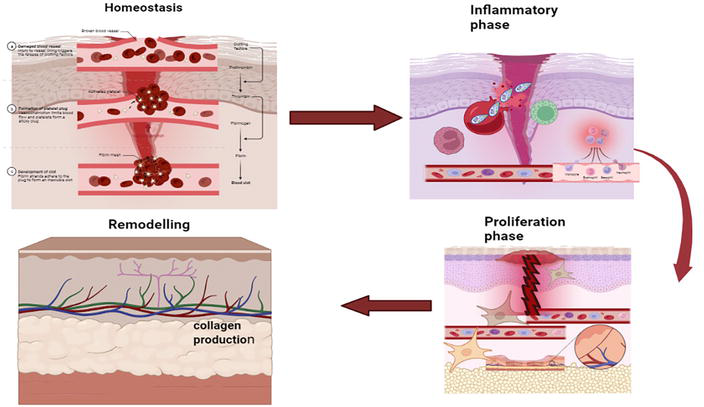
Figure 1 shows the various stages of wound healing. Hemostasis occurs immediately after injury to stop bleeding. The subsequent inflammatory stage involves recruiting immune cells to clean the wound. The proliferation stage involves processes such as re epithelialization (1), fibroblast proliferation (2), angiogenesis (3), and matrix deposition (4) to cover the wound site. Then, during the remodeling phase, the wound is strengthened through collagen remodeling and cell apoptosis within months/years. This coordinated process effectively closed the wound and restored the epithelial barrier.
Chronic non healing wounds are also characterized by persistent inflammation and elevated pro-inflammatory cytokines such as TNF - α and IL-1 β [8]. This hinders the transition to the proliferation stage. Immune dysfunction caused by illness, stress, or steroid drugs also hinders normal healing. The reactive oxygen species produced by ionizing radiation can damage cells, leading to poor vascular tissue and abnormal extracellular matrix [9]. Need to control wound infection to allow for beyond the inflammatory stage. Impaired circulation in situations such as peripheral arterial disease or venous insufficiency can lead to ischemia and hypoxia, thereby impairing healing [1]. Finally, nutritional deficiencies including protein, vitamins C and A, and zinc can delay healing by inhibiting cell proliferation and collagen synthesis (Figure 2) [10].
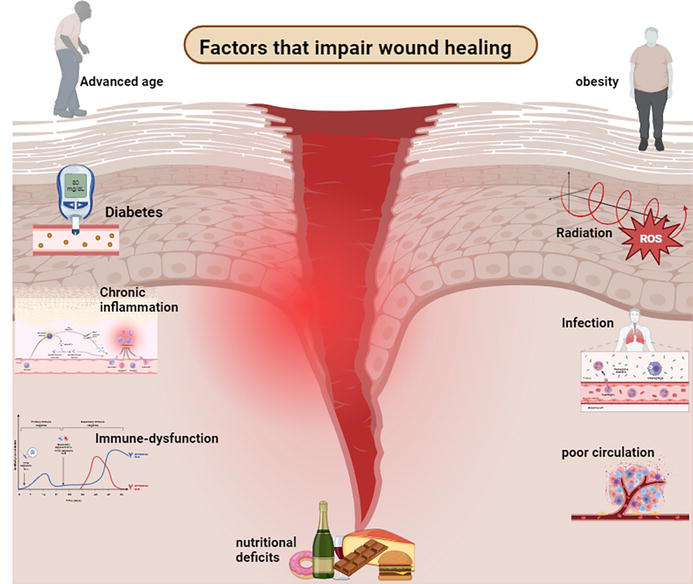
Figure 2. Obstacles to wound healing: uncovering complex factors that inhibit the journey of regeneration.
Inflammation is a crucial part of the normal wound healing response. During the inflammatory stage, various cytokines, chemokines, and growth factors are released to recruit immune cells such as neutrophils and macrophages to the wound site [11]. These immune cells resist infection, clear damaged tissue, and release additional signals to activate tissue repair processes such as angiogenesis and fiber formation. However, uncontrolled inflammation driven by elevated pro-inflammatory cytokines such as TNF - α and IL-1 can also impair healing. Chronic wounds typically exhibit persistent inflammation, which hinders the transition to the proliferative stage [12]. Therefore, inflammation is necessary for healing, but its careful regulation is equally important. During wound healing, reactive oxygen species (ROS) are produced due to aerobic metabolism and immune cell activation. At low concentrations, ROS helps defend against microorganisms and acts as a signaling molecule to promote cell proliferation and migration [13]. However, excessive ROS can damage lipids, proteins, nucleic acids, and extracellular matrix components, while depleting endogenous antioxidant defense. This oxidative stress hinders healing by causing cell aging, apoptosis, and necrosis [14]. Systemic diseases such as diabetes and local wound environment may destroy redox balance. Antioxidants that clear ROS and enhance endogenous antioxidant capacity may help correct oxidative stress and promote wound healing. Local antioxidants, including curcumin, honey, and alpha tocopherol, have shown promising prospects in animal models, but clinical evidence in humans is still limited [15]. Other antioxidant therapies such as ebselen and zinc have proved effective in diabetes wound models, but further clinical evaluation is also needed [16]. A key challenge is to effectively deliver antioxidants continuously to patients with chronic wounds to promote healing.
2、 The Biomedical Role of Hydrogen Molecules (H2)
Previously used as a physiological inert gas, hydrogen has recently been shown to have antioxidant, anti-inflammatory, and cellular protective effects in animal models [17]. As the smallest molecule, hydrogen can rapidly diffuse and accumulate in subcellular compartments to reduce local oxidative stress. Administering hydrogen gas through inhalation, dissolution in saline or water, or local preparations may have therapeutic potential for difficult to heal wounds by correcting potential redox imbalances. Early preclinical studies have shown the beneficial effects of hydrogen in rodent models of skin flap ischemia, burns, radiation injury and diabetes wounds. However, strict clinical research is still needed to translate these promising findings into human wound healing.
2.1 Biological mechanisms of hydrogen molecules
Hydrogen molecule (H2) is a gas composed of two connected hydrogen atoms. This stable diatomic hydrogen molecule has a minimum molecular weight of 2.02 g/mol and is physiologically inert [18]. As the lightest gas, hydrogen can quickly diffuse through cell membranes and penetrate tissues. The solubility of hydrogen in water is relatively low, with a maximum solubility of approximately 1.6 mg/L [19]. Importantly, hydrogen molecules, as a selective antioxidant, can reduce harmful reactive oxygen species (ROS) such as hydroxyl radicals and peroxynitrite, which are associated with many disease states. However, hydrogen does not interfere with the basic ROS involved in cell signaling and homeostasis (Figure 3) [20].

Figure 3. Direct and indirect antioxidant mechanisms of hydrogen molecules. The direct effects include clearing hydroxyl radicals (OH) to form water, eliminating peroxynitrite (ONOO) by converting it to nitrite and water, and reducing hydrogen peroxide (H2O2) and superoxide radicals. Indirect effects include activating the Nrf2 pathway to upregulate antioxidant genes such as glutathione, and reducing oxidative damage through anti-inflammatory effects. The combined effects of these direct free radical scavenging activities, indirect signaling pathway regulation, and inflammation endow hydrogen molecules with antioxidant benefits.
Hydrogen is colorless, odorless, non-toxic, non allergenic, and environmentally friendly. It can diffuse into subcellular compartments such as mitochondria and nuclei, enabling it to resist oxidative damage to organelles. Hydrogen molecules quickly scavenge hydroxyl radicals and peroxynitrite, forming water and other harmless byproducts. It may also induce endogenous antioxidant enzymes by activating the Nrf2 pathway [21]. The unique properties of hydrogen molecules enable them to selectively reduce cytotoxic ROS, while also potentially enhancing endogenous antioxidant defense. This makes hydrogen a promising therapeutic agent for clinical applications against oxidative stress, such as difficult to heal wounds.
2.1.1 Clearing toxic free radicals
The main mechanism of action of hydrogen is through direct clearance of cytotoxic reactive oxygen species (ROS), especially hydroxyl radicals and peroxynitrite [18]. The reaction between hydrogen molecules and hydroxyl radicals is extremely rapid, even faster than the reaction with superoxide, generating water and interrupting the chain reaction of free radicals, inhibiting the spread of damage [22]. Hydrogen also reduces peroxynitrite to nitrite and water, eliminating this highly active nitrogen species [23].
2.1.2 Activation of endogenous antioxidant enzymes
Studies in rodent models have shown that hydrogen molecules activate Nrf2 transcription factors, thereby inducing the expression of several endogenous antioxidant enzymes [24]. Hydrogen upregulates antioxidants such as glutathione, superoxide dismutase, catalase, NADPH quinone oxidoreductase-1, and heme oxygenase-1 through Nrf2 nuclear transfer and activation of antioxidant response elements [25]. Enhancing these intrinsic antioxidants enhances the cell's own defense against oxidative damage.
2.1.3 Anti inflammatory effects
It has been proven that hydrogen has anti-inflammatory properties by downregulating pro-inflammatory cytokines and mediators. Drinking hydrogen water reduced the levels of inflammatory markers such as TNF - α, IL-6, IL-1 β, and chemokine (C-C motif) ligand 2 in multiple rodent models by inhibiting pathways such as NF kB and JNK [26]. Reducing excessive inflammation helps with healing and prevents further tissue damage.
2.1.4 Impact on cellular signaling
Emerging research suggests that hydrogen molecules may also alter miRNAs, MAP kinases such as p38, PPAR gamma, and other cellular signaling molecules to provide cellular protection [27]. Further research is still needed to comprehensively describe the effects of hydrogen on intracellular signaling pathways and determine how they may contribute to their biological effects (Figure 4).

Figure 4. Key mechanisms by which hydrogen exerts its beneficial health effects, including free radical scavenging, antioxidant activation, anti-inflammatory effects, and regulation of signaling pathways.
3、 Preclinical studies on hydrogen molecules
Animal research provides evidence of the beneficial effects of hydrogen molecules in wound healing, ischemia-reperfusion injury, radiation-induced injury, and other disease models.
3.1 Rodent wound model
Several studies in diabetes and non diabetes mice have shown that hydrogen molecules improve wound closure and healing [28]. The hydrogen absorbed through drinking hydrogen water accelerated the wound closure of normal and diabetes mice, compared with the control group. Local application of hydrogen releasing gel also improved wound healing in diabetes mice by preserving viable dermal tissue. In rats, the hydrogen releasing gel reduced the size of the wound and promoted earlier recovery [29]. These benefits are achieved by reducing oxidative stress and inflammation (Figure 5).

Figure 5. Hydrogen molecules improved wound healing in diabetes and non diabetes mice. Compared with the control group, drinking hydrogen water accelerated wound closure. The locally applied hydrogen gel also promoted wound healing, especially in diabetes mice, by reducing oxidative stress and inflammation. Rats treated with hydrogen gel showed smaller wound size and faster recovery.
3.2 Skin flap transplantation model
Ischemia reperfusion injury is a significant obstacle to the survival of transplanted skin flaps. Hydrogen molecule therapy has been shown to reduce tissue necrosis and apoptosis in rat skin flap models [30]. Hydrogen inhalation enhances the survival ability of skin flaps by upregulating the expression of vascular endothelial growth factor (VEGF) and increasing neovascularization in ischemic tissues. It also reduced the level of malondialdehyde and increased the level of superoxide dismutase, indicating a reduction in oxidative damage.
3.3 Radiation damage model
Exposure to ionizing radiation can cause significant oxidative stress and cellular damage. Studies in mice and rats have shown that hydrogen treatment reduces radiation-induced damage to skin and other tissues by neutralizing oxidation and apoptosis [31]. Drinking hydrogen water improves wound healing in mice affected by radiation by retaining proliferating cells [29]. Radioprotective effects may involve regulating pro-inflammatory cytokines and cell cycle proteins.
3.4 Burns
Hydrogen therapy has also shown effectiveness in burn models. Hydrogen inhalation weakened inflammation and oxidative stress in burn injured rats [32]. This is accompanied by an increase in VEGF and the formation of granulation tissue. Local hydrogen treatment also improved the healing of second degree burns in rats. These benefits are achieved by reducing tissue edema, neutrophil infiltration, and apoptosis.
Although hydrogen molecules have shown effectiveness in rodent wound models, research on large animals is still limited. The ongoing research needs to evaluate its clinical potential in improving problematic wound healing in patients.
4、 Clinical research on hydrogen molecules
4.1 Preliminary research on hydrogen gas promoting wound healing in the early stage
Although animal research has provided promising results, clinical studies evaluating the application of hydrogen molecules in wound healing are still very limited. However, early pilot studies have explored the potential efficacy and feasibility of hydrogen therapy in patients with skin transplantation, radiation injury, diabetes ulcer and other wounds that are difficult to heal. In a study, drinking hydrogen rich water improved the survival of transplanted skin and reduced oxidative stress in five patients undergoing surgical reconstruction surgery for head and neck tumors [28] (the original text was incorrect). In the plasma of patients who ingest hydrogen water, levels of oxidative markers such as 8-OHdG are lower. Among 13 patients who received radiotherapy for malignant pelvic tumors, inhaling hydrogen gas was also feasible and well tolerated [33]. This small study suggests potential benefits for radiation induced dermatitis. Local application of electrolyzed hydrogen saline in five diabetes patients helped to improve ulcer area and ischemia, although the sample size was limited [34] (platelets were not hydrogen). Although these early pilot studies were unable to draw definitive conclusions due to the small number of patients, they provided preliminary evidence for the safety and potential efficacy of hydrogen molecule delivery through ingestion, inhalation, and local pathways.
4.2 Survival rate of skin transplantation and radiation tissue damage
A randomized trial among 40 patients found that inhaling hydrogen gas during the perioperative period improved the survival rate of skin transplantation after Mohs surgery compared to the control group [35] (the original text was incorrect). Another test report said that three hydrogen baths per week could reduce the severity of radiation dermatitis and improve the quality of life of patients receiving radiotherapy for breast cancer [36].
4.3 Meta analysis of wound healing trials
A recent meta-analysis compiled data from 8 clinical trials and found that hydrogen therapy significantly improved wound healing, promoted granulation formation and epithelialization [37] (this analysis is for hydrogel dressing, not hydrogen). In addition to small-scale trials, case reports have also shown beneficial effects of hydrogen therapy in certain conditions associated with difficult to heal wounds. For example, drinking hydrogen water caused a rapid improvement in radiation-induced oral mucosal inflammation in a tongue cancer patient [33]. Hydrogen gas has also been reported to alleviate radiation dermatitis in two patients receiving cranial radiation therapy [38].
4.4 Safety and tolerability in the human body
Safety data from clinical studies indicate that hydrogen molecules are well tolerated and no major adverse effects have been observed. Consuming hydrogen water and inhaling hydrogen with concentrations as high as 4-5% seem to be safe intervention methods. Local hydrogen preparations also do not seem to irritate the skin or wounds [39]. Although clinical data is still limited, existing evidence suggests that hydrogen therapy is a safe and feasible adjuvant therapy that may benefit wound healing and related conditions through antioxidant and anti-inflammatory mechanisms. More rigorously designed trials are needed to comprehensively evaluate their efficacy in patients.
5、 The practical application of hydrogen molecules
5.1 Hydrogen inhalation
Inhaling hydrogen gas is an efficient transfer method that allows it to quickly enter the systemic circulation [18]. However, preventive measures must be taken before administering hydrogen to patients. Pulmonary function testing should be conducted to evaluate lung capacity and identify severe respiratory disease patients who may not be suitable for inhaling hydrogen [40]. Patients receiving hydrogen therapy should closely monitor adverse reactions through continuous pulse oximetry monitoring [41]. The hydrogen/air mixture must be appropriately diluted and adjusted to a hydrogen concentration not exceeding 4-5% to prevent combustion risks [42]. This treatment should be carried out in a special clinical environment by professionals with experience in handling medical gases [24]. Patients inhale hydrogen/air mixtures through masks, nasal ducts, or ventilation circuits [20]. Hydrogen gas can be detected in the blood within a few minutes and reach various tissues throughout the body. However, the professional equipment and training required for safety preparation and provision of specified concentrations of hydrogen may limit its feasibility in professional research centers or hospitals [43].
5.2 Local Applications
Topical preparations such as gel, cream and solutions allow direct application of hydrogen molecules to skin and surface wounds. These local formulas can be prepared on-site or commercially prefabricated. The penetration depth of local hydrogen molecules is limited, therefore strategies to improve transfer and absorption are being studied. These include closed dressings, cyclodextrin carriers, liposome vesicles, and nanoparticles. The dressing itself is not directly filled with hydrogen gas. On the contrary, the formula applied below aims to better transport or carry hydrogen gas. A slow release antioxidant hydrogel system containing dissolved hydrogen has also been developed to achieve sustained local delivery. The specific polymers, crosslinking agents, plasticizers, and hydrogen donors/carriers depend on the required viscosity, adhesion, flexibility, and hydrogen release kinetics. Overall, compared to simple ointments and solutions, advanced local delivery systems with carrier and sustained-release capabilities can improve tissue absorption, but reaching deeper tissues remains a challenge.
5.3 Optimization of dosage, timing, and route of administration
Although different methods of hydrogen molecule transfer have been studied, it is still necessary to optimize the plan based on factors such as dosage, timing, and delivery route. It is important to determine the ideal effective dose, as very low and very high hydrogen doses may be less effective. Drinking hydrogen water is typically designed to provide a blood hydrogen concentration of approximately 0.5-1 mM. The higher dose of inhaling hydrogen gas, which is about 2-4% by volume, has also been used [44]. The frequency and duration of administration should also be optimized. Continuous daily administration may be necessary to maintain treatment efficacy, especially for shorter delivery modes such as oral administration. For wound healing, continuous weeks or months of hydrogen therapy may be required [20]. The delivery route should be tailored according to the target conditions and actual considerations. For example, for local skin wounds, local application is meaningful, while for internal ulcers, systemic transmission through oral or inhalation may be more appropriate [45]. The optimization of dosage, timing, and delivery pathways is currently an important research focus in translating hydrogen therapy into practice. Careful clinical studies are needed to help establish standardized dosage plans.
5.4 Wound dressings that release hydrogen gas
Several research groups have created prototypes of wound dressings that can directly generate and release hydrogen gas in organizational microenvironments [46]. These active wound dressings contain compounds that produce hydrogen gas, which allows for sustained local hydrogen release when hydrated (Figure 6).
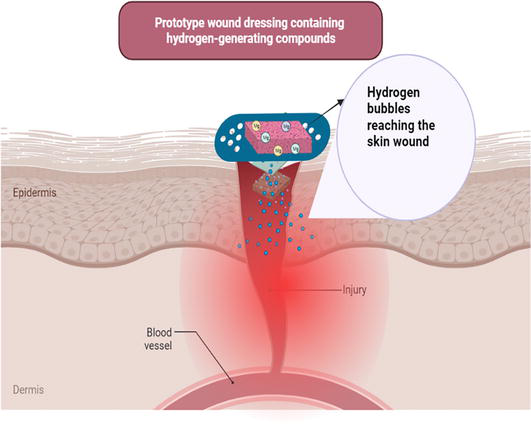
Figure 6. Prototype of wound dressings releasing hydrogen gas: Visual overview of sustained antioxidant effects in chronic skin ulcers.
6、 Design of future clinical trials
A well-designed clinical trial is now needed to rigorously evaluate the effectiveness of hydrogen molecule therapy in wound treatment. The challenge includes selecting appropriate outcome measures, such as wound closure rate and quality of life indicators. Blind methods may be difficult to implement for methods such as inhaling hydrogen gas. The optimal dose parameters and delivery methods should be evaluated. A multicenter, large-scale trial will be the key to providing high-quality evidence on the effectiveness of hydrogen therapy for healing disorders.
7、 Conclusion
Chronic non healing wounds represent a major and growing clinical challenge, especially in the aging, diabetes and vascular disease population. Damaged healing is driven by pathological inflammation, infection, ischemia, and oxidative stress. Hydrogen molecules, as an emerging therapeutic agent, counteract these potential driving factors through their antioxidant, anti-inflammatory, and cellular protective mechanisms.
Animal studies provide promising evidence supporting hydrogen to accelerate wound closure, increase skin flap survival rate, reduce radiation damage, and improve healing in other models. However, clinical research is still limited so far. Early pilot studies and case reports have demonstrated the feasibility and potential effects of various hydrogen transfer methods, including inhalation of gas, drinking hydrogen water, topical formulations, and hydrogen baths. Small scale trials point to the potential benefits of hydrogen therapy on skin transplant survival, radiation dermatitis, and chronic ulcers.
Although current clinical data is insufficient to confirm efficacy, hydrogen molecules are still a promising adjuvant therapy that can overcome healing barriers by regulating oxidation, inflammation, apoptosis, and growth factor expression. The ongoing research is optimizing the dosage, timing, and route of administration plan. Local formulations, transdermal carriers, and wound dressings that generate hydrogen may achieve more efficient local delivery.
High quality, randomized controlled, and large-scale trials are needed to accurately evaluate the effectiveness of hydrogen molecule therapy in wound treatment. Multiple center studies are needed to evaluate inhalation of hydrogen, drinking hydrogen water, topical formulations, and combination regimens. Appropriate outcome measures should be established, such as wound closure rate, quality of life, and biomarker levels. If the effect is established, hydrogen molecules may become a part of standard care to improve healing outcomes and reduce patient pain.
Hydrogen is a safe and economically feasible adjuvant therapy, and preclinical evidence suggests that it may be beneficial for problem wound healing through its multifaceted mechanisms of action. A rigorously designed clinical trial will determine whether hydrogen molecules can serve as an effective treatment for refractory wounds. Introducing hydrogen therapy into clinical practice may affect patient life and reduce medical costs. Further research will elucidate the future trajectory of hydrogen molecules in wound treatment.
(Reminder: Be careful when using the information in this article as there are multiple errors in the clinical section.)