China is currently the largest country in lung cancer.
According to the national cancer statistics released by China Cancer Center, newly diagnosed lung cancer cases account for about one-fifth of the total number of malignant tumors in China, and the death toll accounts for about a quarter of the total number of malignant tumors.
Moreover, in recent years, the incidence of lung cancer has shown a younger trend. Previously, the high-risk population for lung cancer was locked in the age range of 65-70 years old. However, clinically, the number of lung cancer patients aged 40-50 years old has significantly increased compared to the past. It is not uncommon to see lung cancer patients under the age of 40. Don't give up on lung cancer, this therapy may prolong the progression free survival of lung cancer patients!
This therapy is called hydrogen therapy. Intervention of tumor patients through hydrogen inhalation.
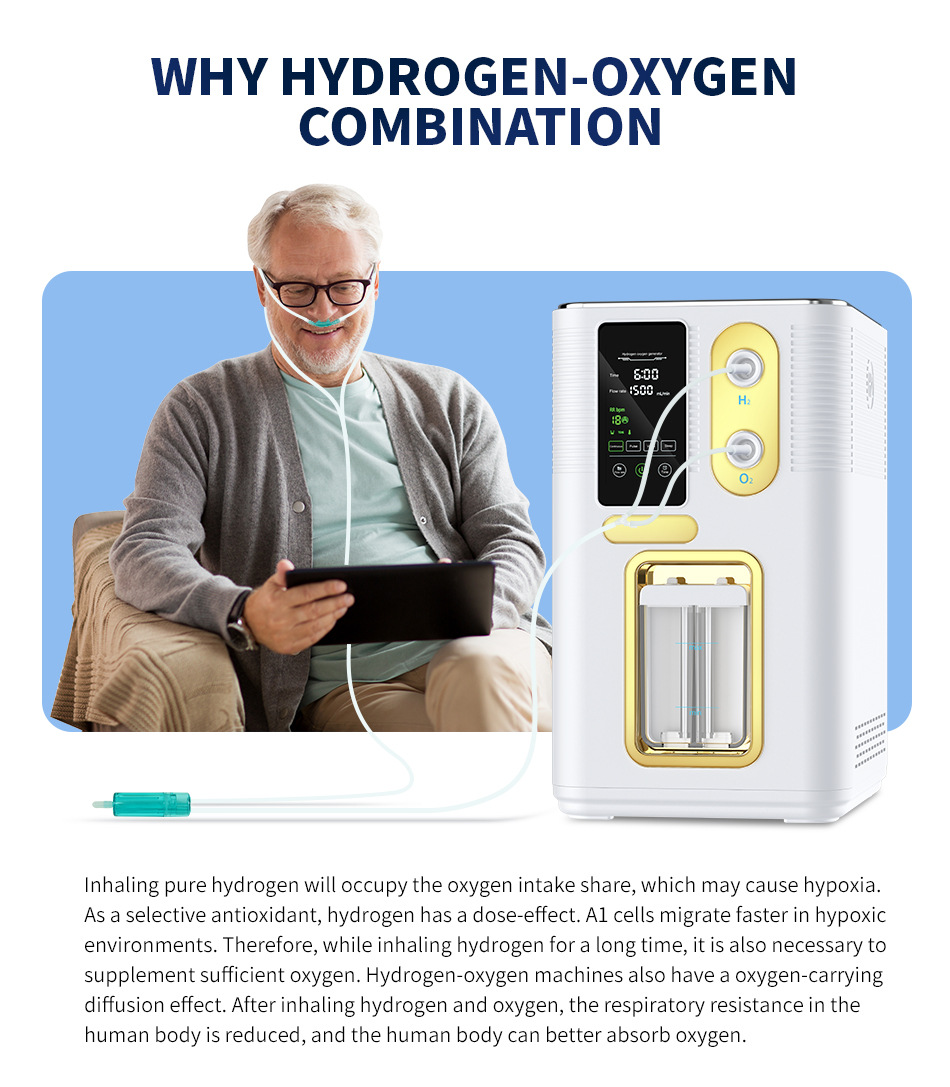
Hydrogen has been proven to have antioxidant and anti-inflammatory effects, and the occurrence and progression of cancer are closely related to peroxidation and inflammation. Hydrogen may play a controlling role in cancer.
Hydrogen absorption is the process of absorbing hydrogen gas into the body's bloodstream through gas exchange in the respiratory system. During the process of inhaling hydrogen gas, the lungs are first filled with a certain concentration of hydrogen gas, which directly affects the cells in the lungs, repairing damaged cells in a timely manner, and reducing the inflammatory response of lung tissue.
Professor Xu Kecheng's team published in "Medical Gas Research" titled "Hydrogen Control Cancer: A Real World Observation of 82 Late stage Cancer Patients: A Follow up Report". The observation of 82 stage III and IV progressive cancer patients who self absorbed hydrogen showed that hydrogen mainly acts in the following four aspects, especially in lung cancer patients.
1. Improving quality of life
After 2 weeks of hydrogen absorption, there was an improvement in shortness of breath and appetite, as well as significant improvements in fatigue and insomnia; After 4 weeks of hydrogen absorption, there was a significant improvement in pain, constipation, and diarrhea.
2. Improving physical fitness
After 3 months of hydrogen absorption, the physical fitness of lung cancer patients was improved most significantly, and the effect of gynecological and pancreatic cancer patients was the worst.
3. Reduce tumor markers.
After 3 months of hydrogen absorption, the markers of lung cancer patients decreased most significantly, and the effect of gynecological, liver and pancreatic cancer patients was the worst.
4. Controlling cancer progression
After three months of hydrogen absorption, the tumor control rate of stage I patients was much higher than that of stage IV. Lung cancer had the best effect, while pancreatic cancer had the worst effect.
Clinical studies have found that hydrogen inhalation can be combined with chemotherapy and targeted therapy to reduce adverse reactions and improve the quality of life of lung cancer patients. In June 2020, Professor Xu Kecheng's team published a research paper in the Journal of Medical Gas Research, which showed that hydrogen combined with commonly used cancer treatment methods can be used to control cancer progression in advanced non-small cell lung cancer patients and alleviate adverse events of multiple standard treatments.
Animal experiments have also found that hydrogen inhalation can inhibit the enlargement and increase of lung cancer metastasis, suppress metastasis, and also mean that the patient's life can be extended as much as possible.
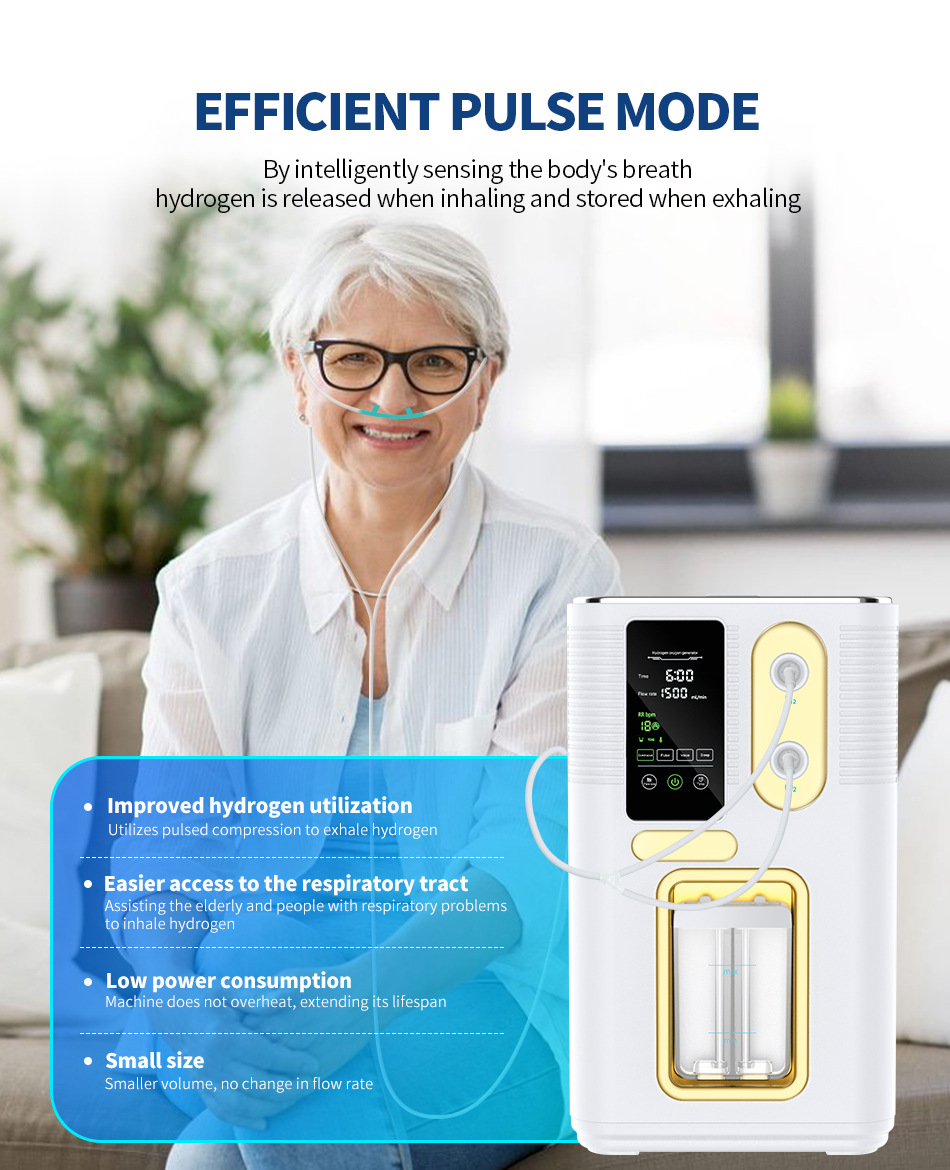
A cancer patient is like a drowning person desperately trying to survive, as if drowning within a foot of the shore. At this point, if someone gently pulls, they will be saved. Don't underestimate the effect of this gentle pull. Hydrogen absorption is like pulling. For lung cancer patients, hydrogen therapy can be attempted in combination with existing therapies.
Reminder: According to the Food and Drug Administration Regulations, hydrogen gas cannot replace drug therapy.