The main functions of hydrogen in the human body include selective antioxidant, anti-inflammatory, cell repair, diffusion and permeation, and prevention of cellular cerebrovascular diseases. Specifically, as follows:

1. Selective antioxidant, on the basis of selective antioxidant, hydrogen can also treat oxidative damage, cell apoptosis, and repair in various disease processes.
2. To combat inflammation, the initial manifestation of many diseases is inflammation caused by oxidative damage to cells. Hydrogen can effectively prevent various problems in the early stages of diseases, including serious diseases such as tumors.
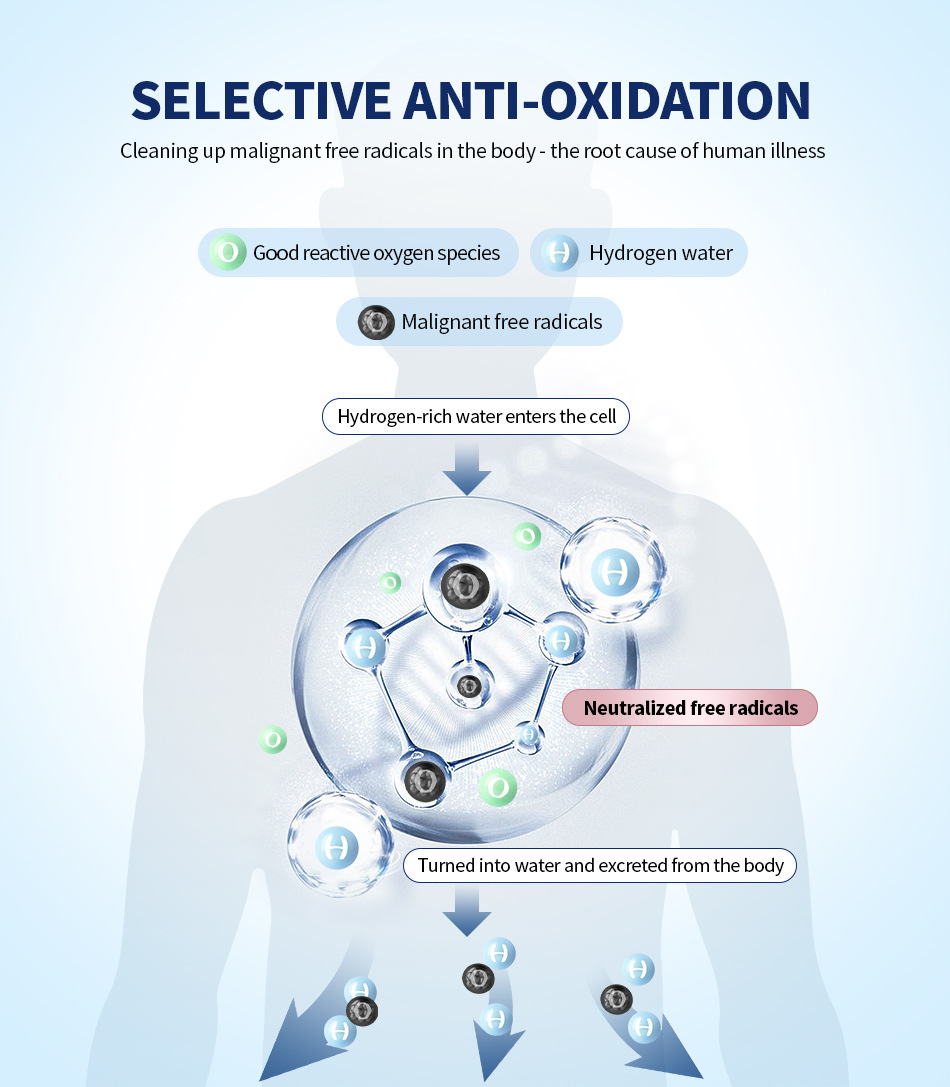
3. Repairing cells, hydrogen can restore oxidized, damaged, and diseased cells to a healthy state, increase the energy of cell mitochondria, accelerate metabolism, and thus improve health issues.
4. Diffusion permeation, hydrogen can quickly diffuse throughout the body, penetrate cell membranes and reach mitochondria, making it the smallest and lightest molecule in the universe.
5. To prevent cellular cerebrovascular disease, hydrogen has a therapeutic effect on ischemic and hypoxic brain injury caused by asphyxia in infants at birth. Hydrogen can inhibit the activity of neuronal apoptotic enzymes after ischemic and hypoxic brain injury. The decrease in apoptotic enzyme activity leads to a reduction in neuronal cell death, reducing brain damage and protecting adult brain function