Gas signaling molecules, including carbon monoxide (CO), nitric oxide (NO), and hydrogen sulfide, have been shown to have cancer therapeutic potential, pointing out new directions for cancer treatment. In recent years, a series of studies have confirmed that hydrogen, a weakly reducing gas, also has therapeutic effects on various cancers, and can alleviate oxidative stress caused by radiotherapy and chemotherapy, reduce tissue damage and immune suppression, thereby improving prognosis. Meanwhile, hydrogen also has immunomodulatory effects, which can inhibit T cell depletion and enhance T cell anti-tumor function. It is worth noting that the human gut microbiota can produce a large amount of hydrogen gas every day, which becomes a natural barrier to maintain the body's resistance against diseases such as tumors. Although the potential anti-tumor mechanism of hydrogen still needs further research, previous studies have shown that hydrogen can selectively clear highly toxic reactive oxygen species (ROS) and inhibit various ROS dependent signaling pathways in cancer cells, thereby inhibiting cancer cell proliferation and metastasis. The ability of hydrogen to clear ROS may also be a potential mechanism for its immune regulatory function. In this article, we reviewed the importance of hydrogen produced by gut microbiota on the immune homeostasis of the body, the role and potential mechanisms of hydrogen in cancer treatment, and the specific application of hydrogen, providing new ideas for comprehensive treatment of cancer patients.
The main authors of this review are from the Cancer Research Center of Zhongshan Hospital, Fudan University
Zhou W, Zhang J, Chen W, Miao C. Prospects of molecular hydrogen in cancer prevention and treatment. J Cancer Res Clin Oncol. 2024 Mar 31;150(4):170.
Prospects of molecular hydrogen in cancer prevention and treatment | Journal of Cancer Research and Clinical Oncology (springer.com)
1、 Preface
According to the latest statistics from the World Health Organization (WHO), cancer is the leading or second leading cause of death in 112 out of 183 countries worldwide, posing a serious threat to human health. On the whole, the burden of incidence rate and mortality of cancer in the world will continue to increase. At present, surgery remains the main method for treating solid tumors, supplemented by radiotherapy and chemotherapy, including various cytotoxic drugs, tyrosine kinase inhibitors, and immunotherapy, such as immune checkpoint inhibitors such as anti programmed cell death 1 (PD-1), anti programmed cell death ligand 1 (PD-L1), and anti cytotoxic T lymphocyte associated protein 4 (CTLA-4) antibodies. However, these methods often fail to achieve satisfactory clinical results in cancer treatment.
Gas signaling molecules are small molecule gases that affect cell biology by regulating signal transduction, such as nitric oxide (NO), carbon monoxide (CO), and hydrogen sulfide (H2S). Research has confirmed that various gas signaling molecules have anti-tumor properties and can be used directly or as specific proxy products for anti-cancer treatment.
Recent studies have confirmed that hydrogen (H2) is another gas signaling molecule that has shown interesting potential in cancer treatment. Since Dole et al. discovered in 1975 that high concentrations of H2 can cure squamous cell carcinoma implanted in mouse skin, numerous laboratory and clinical studies have confirmed that H2 is effective against various types of cancer. In addition, H2 effectively synergizes with anti-cancer therapies such as radiotherapy and cytotoxic drugs, reducing damage to the body and improving patient prognosis.
In a milestone study in 2007, Oshawa et al. found that H2 can selectively neutralize highly toxic reactive oxygen species (ROS) (hydroxyl radicals · OH and peroxynitrite ONOO -) without affecting other physiological ROS. The ROS scavenging ability of H2 may be a key potential mechanism for its anti-tumor activity. However, due to the lack of specific receptors that other gas signaling molecules possess, the potential mechanism of hydrogen in tumor treatment remains controversial. In this review, we first discuss the importance of gut microbiota metabolism of H2 under physiological conditions on the homeostasis of the human internal environment. Then we discussed the mechanism by which H2 exerts anti-tumor effects through its unique antioxidant capacity, in order to provide a comprehensive explanation of the mechanism of action of hydrogen in tumor therapy. Finally, we discussed the specific roles of different application modes of H2 and explored the prospects of its application in clinical cancer treatment.
2、 Anti tumor barrier: hydrogen produced by gut microbiota
Under normal physiological conditions, the adult gut microbiota can produce a large amount of H2 every day, which can regulate the balance of gut microbiota and its metabolites, which is crucial for human immune homeostasis. This indicates that H2 is the body's natural anti-tumor barrier and provides a new strategy for its clinical use.
2.1 H2 metabolism in the intestine
Intestinal hydrogen producing bacteria mainly use various indigestible carbohydrates as substrates for anaerobic oxidation energy production, including starch, cellulose, and some sugars. This process can generate a large amount of H2, which is quickly absorbed and utilized by hydrogenotrophic bacteria. H2 participates in this series of reactions as an electron transporter and is an important energy substance for the survival and proliferation of gut microbiota. Most of the H2 that is not used by the microbiota is excreted through respiration and anus, while the rest can enter the circulation or penetrate the intestinal cavity and peritoneum into the abdominal cavity.
Hydrogen trophic bacteria mainly include reducing acetogenic bacteria, sulfate reducing bacteria (SRB), and methanogenic bacteria, which oxidize H2 to acetic acid, respectively H2S and CH4. The concentration of H2 in the intestine not only passively responds to the balance of these microbial communities, but also controls the balance of hydrogen producing bacteria and hydrogen trophic bacteria through hydrogen partial pressure (pH2). For example, a study found that hydrogen rich water (HRW) supplements significantly inhibited opportunistic pathogenic E. coli E The expansion of coli increased intestinal integrity in mice with colitis by regulating H2 metabolism in the gut microbiota.
Research has confirmed that dysbiosis of the gut microbiota can affect the occurrence and development of multiple organ cancers throughout the body, including colorectal cancer. Although hydrogen producing and hydrogen nourishing microorganisms cover most of the gut microbiota, there are significant differences in the specific morphology and metabolism of the microbiota they contain, and there is a lack of appropriate taxonomy. Therefore, there are few articles directly studying the relationship between gut H2 metabolism and cancer. Some studies have investigated the genomic and metagenomic distribution of hydrogenases, which are reversible enzymes that catalyze H2 oxidation and evolution, to learn more about the contribution of H2 metabolism to the gut ecosystem. According to the different cofactors of binding metals, Greening et al. identified 4 groups (22 subgroups) of [NiFe] - hydrogenases, 3 groups (6 isoforms) of [FeFe] - hydrogenases, and a small group of [Fe] - hydrogenases. This hydrogenase diversity supports key metabolic pathways of gut microbiota, such as H2 based respiration, fermentation, and carbon sequestration processes, reflecting the range of H2 metabolism in maintaining microbial growth and survival. So far, the author points out that most related studies have only focused on a few branches of the hydrogenase phylogenetic tree and a small subset of organisms in the general microbial tree.
However, it is easy to observe that H2 produced by gut microbiota can participate in regulating various microbial metabolites related to carcinogenic effects, such as H2 can clear ROS and promote the production of short chain fatty acids (SCFAs). For example, a study showed that oral administration of HRW can promote the production of SCFAs in the cecal contents and circulation of mice by regulating the composition of gut microbiota.
In contrast, a high SRB and sulfur-containing protein diet is associated with the development of colon cancer, which may disrupt cytochrome oxidase, inhibit butyric acid utilization, block mucus synthesis, and induce DNA methylation through the production of H2S. In addition, excessive production of H2S by gut microbiota plays an important role in the occurrence and development of intestinal tumors. Paradoxically, various sulfur-containing diets have been proven to have long-term anti-tumor properties, such as garlic and cruciferous vegetables. We believe that part of the reason is that in different dietary environments, The balance between SRB and other hydrogen metabolizing bacteria in the intestinal cavity. In addition, The balance between H2 and H2S metabolism in SRB may be a potential mechanism (Figure 1).
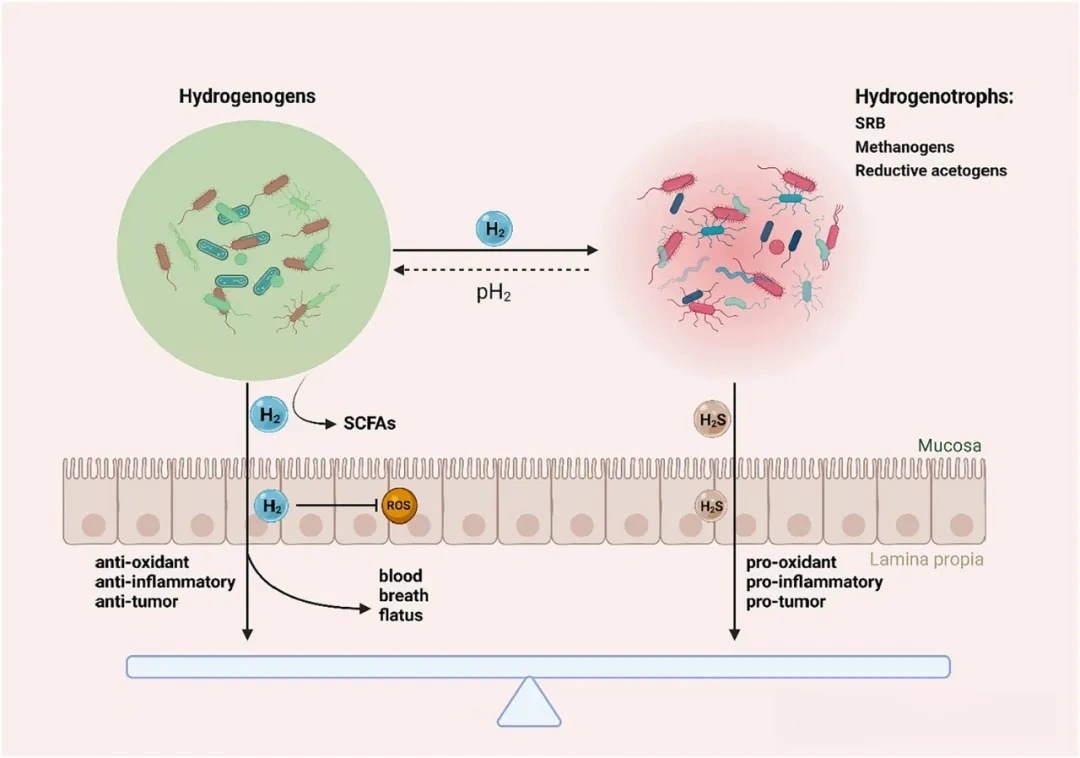
Figure 1: H2 metabolism in gut microbiota regulates intestinal health. Hydrogen producing bacteria produce H2 during the fermentation process in the human colon, leading to a rapid increase in pH2, which limits further fermentation. Three groups of hydrogen nutrition (utilizing H2) microorganisms can oxidize H2 while reducing pH2, allowing fermentation to continue. The H2S produced by SRB can damage intestinal epithelial cells and induce inflammation and tumorigenesis, while H2 can counteract the malignant effects of H2S by producing SCFA and clearing ROS. SCFAs: Short chain fatty acids; SRB: Sulfate reducing bacteria; PH 2: Hydrogen partial pressure
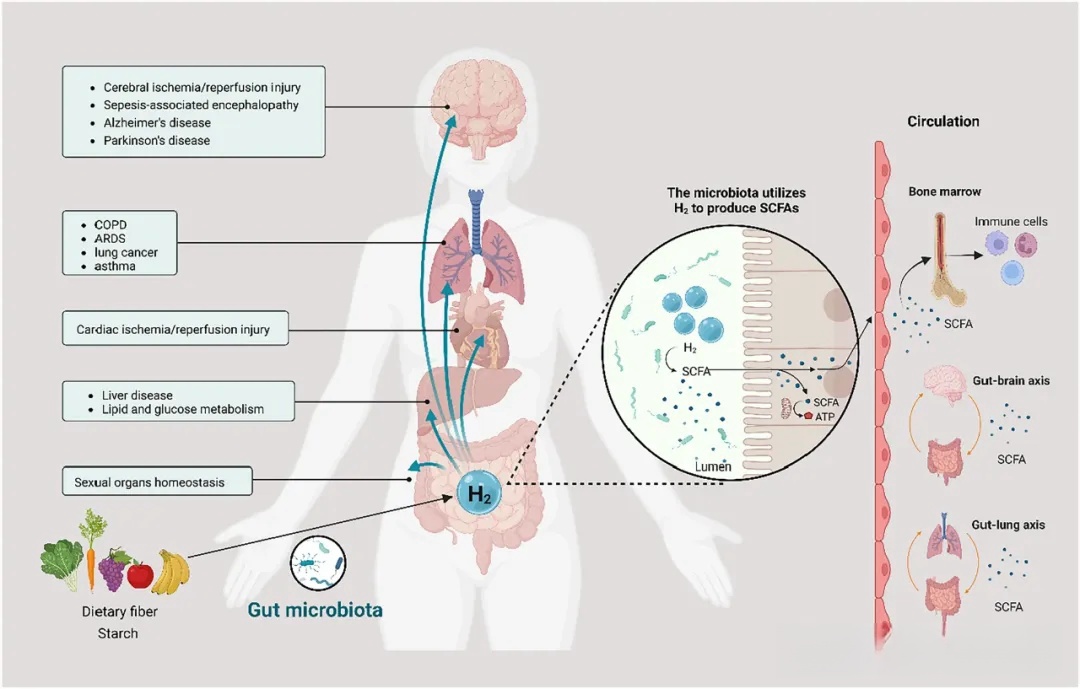
Figure 2: H2 produced by gut microbiota maintains multi-system health and immune homeostasis. The hydrogen produced in the intestine can penetrate the abdominal cavity or enter the bloodstream, providing protection for multiple organs throughout the body. On the other hand, hydrogen is a substrate for the production of short chain fatty acids (SCFAs) by gut microbiota. It promotes the production of SCFA, SCFA is an important energy substance for intestinal epithelial cells and immune cells, maintaining the integrity of the intestinal barrier and the stability of the systemic immune system. COPD: Chronic obstructive pulmonary disease; ARDS: Acute Respiratory Distress Syndrome; SCFA: Short chain fatty acids.
The hydrogen produced by the gut microbiota helps maintain homeostasis in the body.
The metabolism of H2 in the intestine is not only crucial for intestinal health, but also for the redox balance and immune homeostasis of multiple organs (Figure 2).
Research has shown that, H2 can maintain the integrity of the intestinal barrier, reduce intestinal inflammation and damage in rats, and protect organs such as the brain, lungs, and liver from ischemia-reperfusion. H2 is also fundamental for pelvic health, ensuring organ function. Supplementing with H2 can effectively reduce oxidative stress and promote the recovery of organ function in both male and female reproductive organs, such as the testes and ovaries, after damage leading to functional impairment. Although many studies have focused on exogenous H2 supplementation, the production of H2 in the intestine is just as effective as inhaling H2 and orally taking HRW to increase H2 levels in the body. For example, the administration of fructose promoted an 11 fold increase in peritoneal H2 concentration and a significant increase in blood H2.
SCFA is an important energy source for intestinal epithelium and various immune cells, as well as a communication substance between the gut lung axis and the gut brain axis that maintains systemic immune homeostasis. H2 produced by intestinal bacteria is a substrate for SCFA synthesis and promotes its synthesis. Research has found that, HRW can increase the levels of propionic acid, butyric acid, and total SCFAs in the gut by regulating gut microbiota, in order to treat brain diseases such as Parkinson's disease. Diets or drugs that promote the production of H2 in the intestine, such as high fiber diets and lactose, also promote the production of SCFAs. In a study on mice, it was shown that, HRW can regulate specific mucolytic bacteria associated with mucositis, strengthen the intestinal barrier through the H2-H2 metabolic microbiota SCFAs axis, and ensure the stability of the in vivo environment.
3、 The potential mechanism of the anti-tumor effect of hydrogen gas
3.1 Antitumor and synergistic anti-tumor effects of hydrogen gas
Starting from Dole et al.'s study, they found that high concentrations of H2 cured squamous cell carcinoma growing on mouse skin, and multiple studies have confirmed the anti-tumor effect of H2. Wang et al. reported that in cells and mice, H2 inhibits the proliferation, metastasis, and invasion of lung cancer cells, and reduces lung cancer volume by inhibiting chromosomal stable protein 3 (SMC3). The clinical study by Akagi and Baba found that daily inhalation of H2 for 3 hours significantly prolonged progression free survival and overall survival in stage IV colon and rectal cancer patients. The study of inhaling H2 in the treatment of 82 cases of advanced cancer also confirmed the anti-tumor effect of H2.
Chemotherapy and radiation therapy remain the main strategies for cancer treatment. However, these treatment options can lead to significant oxidative stress and inflammation, causing damage to human organs, and H2 can be used as an adjunct to suppress these adverse effects due to its cellular protective properties such as antioxidant and anti-inflammatory properties. Runtuwen et al. administered HRW to colorectal cancer mice treated with intravenous 5-fluorouracil. They found that, HRW significantly increases the expression of p-AMPK, pro apoptotic factor (AIF), and caspase-3 in non cancer cells and prolongs the lifespan of cancerous animals, enhancing the apoptosis of cancer cells. Cisplatin causes the accumulation of ROS in the human body, reduces glutathione activity, and increases oxidative stress, while H2 reverses cisplatin induced oxidative stress in the body and restores antioxidant enzyme activity. In addition, H2 alleviated the nephrotoxicity of cisplatin without affecting its anti-tumor effect, and enhanced animal survival in mouse experiments. Oral administration of HRW (0.55-0.65 mM, 1.5-2.0 L per day) to hepatocellular carcinoma patients undergoing radiotherapy suppressed their oxidative stress levels and improved their quality of life, without affecting the effectiveness of radiotherapy. Some research reports suggest that inhaling H2 during radiotherapy reduces damage to the blood and immune system, and alleviates radiation induced growth of thymic lymphoma.
Although a series of studies have confirmed the anti-tumor effect of H2, it is essential to have a deep understanding of its underlying mechanisms in order to further support its clinical application. H2 has a wide range of physiological effects, including antioxidant stress, anti-inflammatory effects, and regulation of cell apoptosis. In addition, some studies have shown that H2 exerts anti-tumor effects by indirectly regulating gene expression. Through these studies, we believe that the ability of H2 to selectively clear highly toxic reactive oxygen species (ROS) may be the core and basic mechanism of its anti-tumor effect. Therefore, this article mainly discusses this point.
3.2 Hydrogen's anti-tumor activity through antioxidant stress
The intracellular ROS mainly comes from oxidative phosphorylation of the mitochondrial respiratory chain (OXPHOS) and catalytic reactions regulated by NADPH oxidase (NOX) in the cytoplasm. On the one hand, ROS is highly oxidative and destructive to biological molecules such as proteins, phospholipids, and nucleic acids; On the other hand, ROS is a key intracellular signaling molecule that can affect cell proliferation and differentiation by regulating various signaling pathways, such as NF - κ B and Akt/mTOR. Under normal physiological conditions, the complete antioxidant enzyme system in the body can maintain ROS concentration in a precise dynamic equilibrium, including the conversion of O2 − to H2O2 by superoxide dismutase (SOD), followed by the conversion of H2O2 to water by glutathione peroxidase (GPx) and catalase (CAT). However, the body lacks specific clearance systems for · OH and ONOO -, which are highly cytotoxic and have damaging effects on almost all macromolecules (proteins, nucleic acids, lipids). This may lead to DNA double stranded structure destruction and base pairing damage, leading to carcinogenesis.
The activation of oncogenes alters mitochondrial function, and hypoxia together leads to an increase in ROS production in cancer cells. Unfortunately, the antioxidant enzyme system in tumor cells is often unable to counteract the excessive production of ROS, resulting in a high ROS state in the tumor microenvironment. In fact, cancer cells can not only adapt to moderately high ROS states, but also utilize ROS to promote malignant phenotypes. This is because ROS can enhance NF - κ B Akt/mTOR, Wnt/β - catenin pathway, and Ras The expression of oncogenes such as Bcr/Abl and c-Myc maintains the high-intensity metabolism and proliferation of tumor cells. In addition, ROS dependent signaling pathways can promote cancer invasion and metastasis. However, some reports suggest that the continuously elevated ROS in the cancer microenvironment can limit the further development of cancer after reaching a certain level. Therefore, non-selective antioxidant therapy in cancer treatment may lead to further development of cancer. H2 selectively clears strong oxidants without affecting other ROS, making it an ideal therapeutic antioxidant.
On the one hand, H2 can inhibit the damage of · OH and ONOO - to cellular DNA, thereby preventing the development of cancer; On the other hand, H2 can clear ROS from cancer cells and inhibit multiple ROS dependent metabolic signaling pathways to inhibit cancer development. Research has confirmed that H2 can effectively reduce oxidative stress caused by various pathological conditions, including cancer, and promote the restoration of redox balance.
H2 can also increase the expression of some antioxidant enzymes that play a key role in regulating redox balance in cancer cells, thereby exerting anti-tumor effects. Some non cancer studies have shown that, H2 treatment significantly increased intracellular SOD The expression of GPx, CAT, and heme oxygenase-1 (HO-1) enhances their potential to eliminate ROS.
The ability of H2 to regulate various signaling pathways is another important mechanism of its antioxidant effect, such as Nrf2/ARE and p38/MAPK. A series of subsequent studies have found that, H2 also maintains the redox balance in the body by activating the Keap1-Nrf2-ARE and Nrf2-HO-1 pathways, thereby exerting immunomodulatory, anti-inflammatory, and pro cancer apoptotic effects. Wang et al. found that, H2 inhibits the expression of ROS in lung tissue of lung cancer mice and increases SOD The expression of IL-1 β, IL-8, IL-13, and tumor necrosis factor alpha (TNF alpha). (Figure 3).
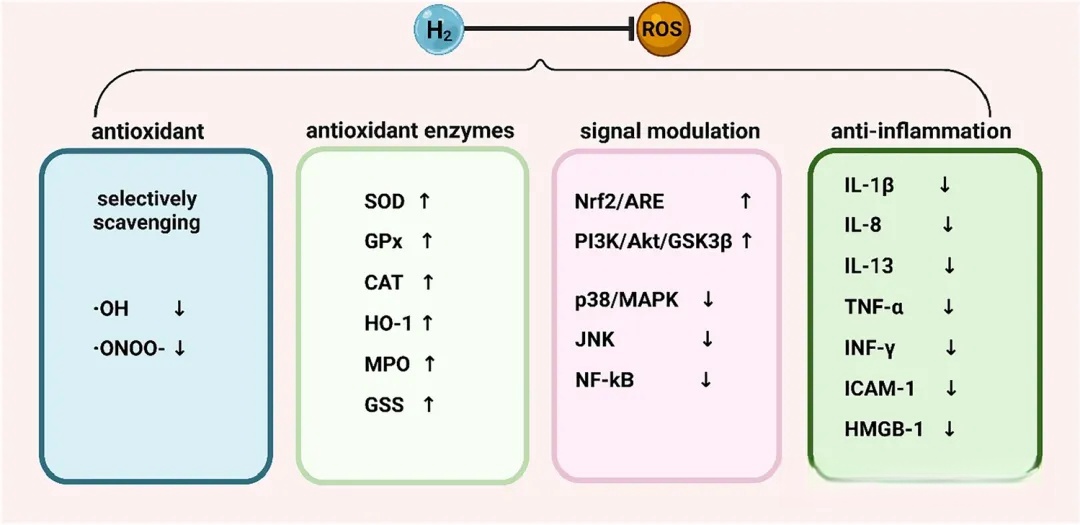
The mechanism of antioxidant stress action of H2 in Figure 3.
SOD (Superoxide Dismutase)
CAT (catalase)
GPx (glutathione peroxidase)
HO-1 (heme oxygenase 1)
MPO (myeloperoxidase)
GSS (Glutathione Synthase)
MAPK (mitogen activated protein kinase)
JNK (c-Jun N-terminal kinase)
Nrf2 (nuclear factor E2 related factor 2)
ARE (Antioxidant Reaction Element)
NF - κ B
TNF - α (tumor necrosis factor alpha)
ICAM-1 (intercellular adhesion molecule 1)
IFN - γ (Interferon gamma)
IL-1 β (Interleukin-1 β)
IL-8 (Interleukin-8)
IL-13 (Interleukin-13)
HMGB-1 (High Mobility Group Protein 1)
3.3 Immunoprotective function of hydrogen gas
Many clinical trials have confirmed the role of H2 in regulating cancer immunity. A 2018 clinical study involving 55 patients with stage IV colon cancer showed that inhaling H2 can reduce the expression of PD-1 on CD8+T cells in the patient's peripheral blood, reduce CD8+T cell depletion, and improve prognosis. In a clinical study of advanced small cell lung cancer, continuous inhalation of H2 for two weeks can reverse the suppressed intrinsic and adaptive immune system in the patient's peripheral blood, reduce depleted CD8+T cells, and restore functional CD4+ The ratio of CD8+T cells to natural killer cells has returned to normal levels. Although few studies have investigated potential mechanisms, selective clearance of toxic ROS and protection of T cell mitochondria may be the core mechanism of H2 immunoprotective function. After T cell receptor (TCR) is activated by presenting cancer antigens, downstream signal transduction enhances mitochondrial metabolism, and ROS, as a byproduct of mitochondrial metabolism, is an important molecule in regulating multiple core pathways involved in T cell metabolic recombination. However, as mentioned earlier, excessive growth of cancer cells can lead to an increase in ROS levels in the cancer microenvironment. When T cells are activated, mitochondria produce a high amount of ROS, coupled with an increase in ROS within T cells due to factors such as hypoxia, causing tumor infiltrating lymphocytes (TILs) to face higher physiological ROS upon activation. Continuous high levels of ROS can damage T cell mitochondria, inhibit T cell activation, and lead to T cell dysfunction by deflecting T cell metabolic remodeling, promoting PD-1 expression to induce apoptosis (Figure 4). On the other hand, H2 counteracts oxidative stress under various disease conditions by regulating the NADH/NADPH pathway and restores redox balance in the body environment, thereby protecting T cell activation and preventing apoptosis. Furthermore, in this case, compared to conventional anti-tumor drugs, The high permeability of H2 allows it to easily penetrate the interior of tumors and even enter the mitochondria and other structures of TILs.
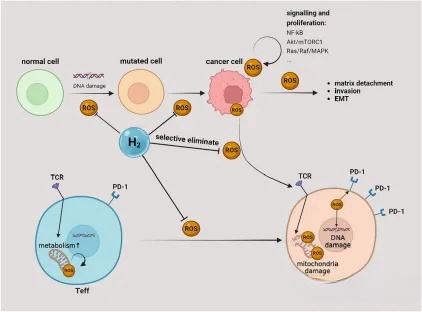
Figure 4 H2 exerts anti-tumor activity by selectively eliminating ROS in the tumor microenvironment. ROS can cause tumor development and metastasis by damaging DNA, leading to genetic mutations and regulating various key signaling pathways. ROS in the tumor microenvironment can penetrate into T cells, increasing the oxygen pressure burden for sustained activation of T cells. Excessive ROS in T cells can interfere with mitochondrial energy metabolism, damage T cell DNA, and promote PD-1 expression, leading to T cell dysfunction and apoptosis. ROS: reactive oxygen species; EMT: epithelial mesenchymal transition; Teff: effector T cells; Tex: Depleting T cells. NF - κ B: Nuclear factor kappa B; MAPK: Mitogen activated protein kinase; MTORC1: Mammalian target rapamycin complex 1. Due to the fact that mitochondrial respiratory chain is the main source of intracellular ROS production, high local concentrations of ROS may lead to mitochondrial DNA mutations, directly disrupting mitochondrial dynamics and ultimately leading to mitochondrial metabolic dysfunction and T cell apoptosis. Research has shown that TILs in renal cell carcinoma contain highly polarized and fragmented mitochondria, producing significant ROS. Akagi et al. found in a clinical study of lung cancer patients that inhaling H2 can enhance the mitochondrial function of CD8+T cells and reduce the expression of PD-1 in the patient's peripheral blood. This suggests that H2 may play a role by regulating the peroxisome proliferator activated receptor gamma co activator alpha (PGC-1 alpha). Mo et al. proposed that in vitro H2 can enter mitochondria to neutralize toxic ROS, alleviate mitochondrial oxidative stress damage, protect Na+/Ka+ATP pumps, enhance Bcl-2 expression, inhibit the expression and opening of voltage dependent anion channel 1 (VDAC1), protect mitochondrial membranes, and inhibit the release of apoptotic factors such as caspase 9.
4、 Various applications of hydrogen gas
4.1 Methods for exogenous hydrogen supplementation
The conventional administration methods for exogenous hydrogen (H2) include inhalation, oral administration of hydrogen rich water (HRW), injection of physiological saline containing H2, and topical use, such as eye drops and hydrogen rich water baths (Figure 5). Some reviews compare the rate of increase in H2 concentration caused by different H2 application methods in internal organs and their therapeutic effects, and we will not introduce them one by one here. However, we cannot simply relate the effects of different H2 application methods in disease treatment to the concentration of H2 in the circulatory and respiratory systems - for example, the unique role of hydrogen rich water in regulating gut microbiota and energy metabolism.
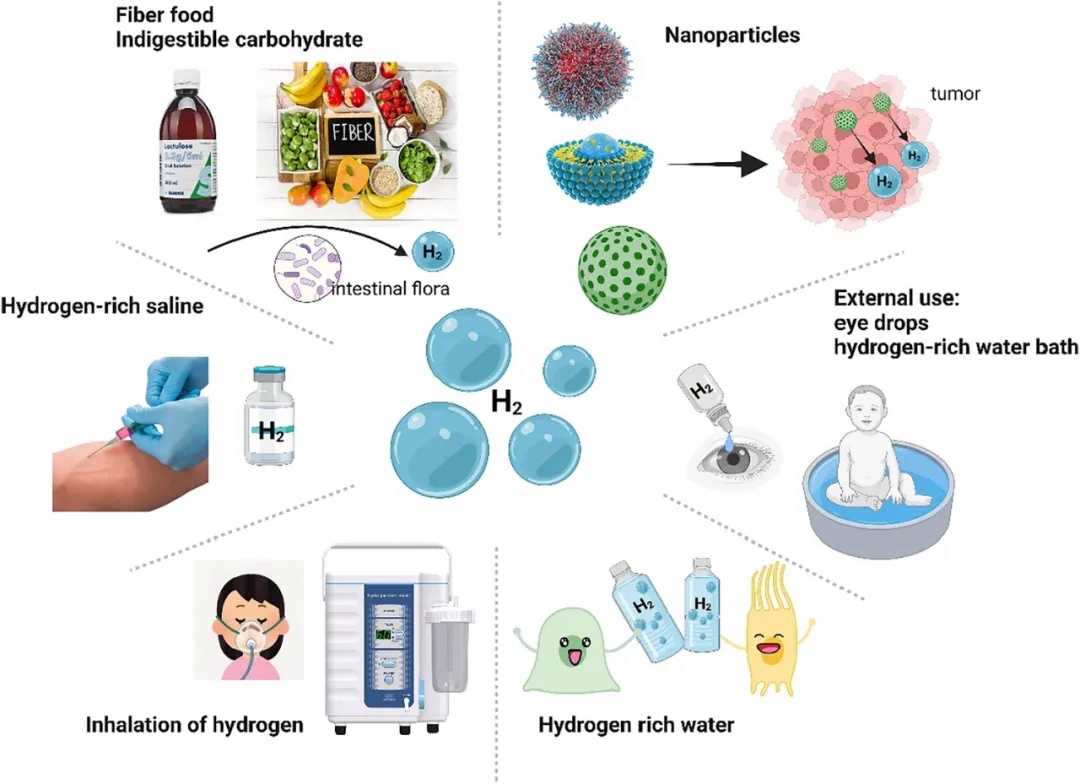
Figure 5 Various applications of hydrogen gas.
Some studies have shown that hydrogen rich water can regulate gut microbiota, helping to restore and maintain the homeostasis of gut microbiota. In 2018, Japanese scholars found that oral hydrogen rich water for 4 weeks can improve the distribution of bacteria in the colon, increase the production of short chain fatty acids, and reduce plasma cholesterol concentration. Xiao et al. found that hydrogen rich water can affect gut microbiota by regulating the expression of MyD88, thereby reducing abdominal radiation damage and increasing survival and weight after radiation therapy in mice. Hydrogen rich water also interacts with diet, enhancing and prolonging the accumulation of H2 in the liver, reducing blood lipids and blood sugar, and promoting the direct secretion of brain gut peptides by intestinal epithelial cells. In an article, hydrogen rich water prevented the development of 6-hydroxydopamine induced Parkinson's disease in mice, while sustained H2 inhalation and oral lactulose had poorer effects. Although the article did not explore the potential mechanism of this phenomenon, the unique physiological effects of hydrogen enriched water, such as regulating gut microbiota, may contribute to this.
Some scientists have designed nanoparticles that can release a large amount of H2 at the cancer site, providing the possibility of accurately producing sustained high concentrations of H2 at the cancer site to enhance anti-tumor effects. The combined application of nanotechnology and H2 may be an important direction for future precision cancer treatment. For example, Zhang et al. constructed a covalently loaded liposome using semiconductor polymer Pdots as a catalyst, a "nanoscale H2 factory" containing reactants, intermediates, and by-products. It can continuously produce H2 at the lesion site through laser stimulation, effectively reducing tumor growth in mice. Sun et al. designed a laser triggered H2 release nanoparticles, which enhanced the chemotherapy effect of bladder cancer in mice and reduced the toxic reaction of chemotherapy drugs. Wu et al. constructed Au-TiO2@ZnS Nanoparticles can release H2 under the triggering of in vitro X-rays, and under the guidance of in vitro photoacoustic imaging, combined with radiotherapy, have achieved excellent therapeutic effects and mild inflammatory reactions on in situ liver cancer in mice.
4.2 Generating hydrogen gas by regulating gut microbiota
In addition to the exogenous H2 supplementation mentioned above, supplementing high fiber, indigestible starch and sugars can also increase the production of intestinal H2 through the gut microbiota, which is the most suitable and economical treatment method in daily life (see Figure 5).
Lactulose is a disaccharide that cannot be absorbed by the human body and can promote the production of a large amount of H2 by the gut microbiota, effectively increasing the concentration of H2 in the abdominal cavity and blood of the human body. Research has confirmed that lactulose can alleviate inflammation and damage in multiple organs such as the intestine and brain by promoting the production of H2 in the intestine, such as alleviating ulcerative colitis caused by the carcinogen sodium dextran sulfate (DSS). Perlamutrov et al. found that lactulose can treat dermatitis by stimulating the production of H2 and short chain fatty acids (SCFA). Research has confirmed that oral lactulose or dietary fiber containing indigestible starch and dietary fiber can regulate gut microbiota, balance the gut environment, and have therapeutic effects on multiple systemic diseases such as chronic obstructive pulmonary disease (COPD) and neurological disorders. Although some researchers largely attribute the clinical effects of lactulose and fiber esters to specific gut microbiota and SCFA, H2 may have been overlooked in these experiments. Similar drugs, such as polysaccharides and inulin, also have anti-inflammatory and metabolic effects by promoting the production of intestinal H2.
Dietary management has profound implications for the long-term prognosis of cancer patients. In order to ensure the energy needs of cancer patients and enhance their immunity, some researchers have proposed the concept of an immunonutritious diet, which includes glutamine, arginine, sulfur-containing amino acids, and polyunsaturated fatty acids. However, such a high protein and high-fat diet may lead to elevated blood sugar and lipid levels as well as metabolic disorders in patients, and on the other hand, poor dietary choices may cause negative emotions in patients. As mentioned earlier, oral hydrogen rich water has good energy regulation function, which can improve liver energy metabolism, lower blood lipids and blood sugar, and reduce the side effects of high-fat diet. In contrast, some studies have shown that diets rich in fiber and indigestible starch have anti-inflammatory and anti-tumor effects. Therefore, a fiber rich diet or an oral hydrogen rich water combined with an immunonutritional diet may be a more suitable dietary strategy for perioperative cancer patients.
5、 The application of hydrogen in the perioperative period
In clinical practice, tumors usually require surgical treatment, and therefore inevitably face various perioperative stress factors, such as trauma, anesthesia, and psychological stress. Rapidly increasing oxidative stress may lead to imbalanced internal environmental homeostasis and immune system suppression in cancer patients, while promoting tumor recurrence and metastasis. H2 has physiological effects of antioxidant, anti-inflammatory, and immune regulation, which can effectively combat these adverse factors (see Figure 6).
In addition, H2 can effectively alleviate multi organ ischemia-reperfusion injury. For example, in a randomized controlled clinical trial of 26 patients, Ono et al. found that inhaling 3% H2 twice a day for 1 hour each time significantly improved vital signs, stroke scale scores, physical therapy index, and 2-week brain magnetic resonance imaging in stroke patients compared to traditional treatment.
Postoperative cognitive impairment (POCD) is a common postoperative complication in clinical surgical patients, especially in elderly patients. The currently recognized etiology of POCD is neuroinflammation caused by the combined action of systemic inflammation caused by anesthesia and surgery. H2 supplementation alleviates symptoms of central nervous system diseases such as Parkinson's disease and autism by correcting gut microbiota imbalance. Li et al. reported that intraperitoneal injection of hydrogen rich saline effectively alleviated inflammation and oxidative stress in the central nervous system of mice, and reduced cognitive impairment. Therefore, some researchers suggest that, H2 can be used for neuroprotection in perioperative patients (see Figure 6)
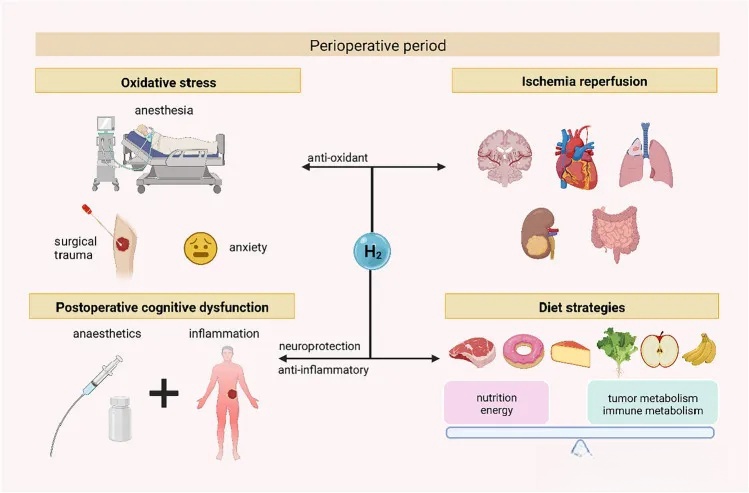
Figure 6 shows that hydrogen plays multiple roles during the perioperative period of tumor patients. Hydrogen has been reported to have antioxidant and anti-inflammatory effects, and can improve ischemia-reperfusion in the heart, brain, lungs, and other organs, which makes it possible to alleviate oxidative stress and ischemia-reperfusion injury in important organs during the perioperative period. Hydrogen also has neuroprotective properties, which can counteract the damage caused by anesthetics and systemic inflammation to the central nervous system. In addition, hydrogen rich water has the function of regulating energy and gut microbiota, which is also valuable in the dietary management of tumor patients during the perioperative period.
6、 Conclusion and Outlook
The H2 produced by the gut microbiota is a natural antioxidant in the internal environment, which can regulate oxidative stress caused by various reasons in the body and become a natural barrier against the occurrence and development of cancer. H2 is also a substrate for producing short chain fatty acids (SCFAs) through the gut microbiota, which are crucial for maintaining the stability of the body's immune system and affecting the gut brain axis and gut lung axis. However, There may be more potential mechanisms for H2 to have such broad effects. For example, hydrogen rich water can promote the production of gastrin, which is crucial in regulating food intake and energy homeostasis. Therefore, Further research is needed to determine whether H2 can affect the body's immune system by regulating the secretion of metabolites from other bacterial communities or by influencing energy metabolism through other gastrointestinal hormones.
The relationship between gut microbiota and cancer has long been widely studied, and scholars from multiple countries are actively studying the genomics and metabolomics of gut microbiota and its relationship with cancer. In these studies, researchers proposed a link between sulfate reducing bacteria and colorectal cancer. Further analysis of a large number of gut microbiota genomes from the perspective of H2 metabolizing microbiota, and a deeper understanding of the association between gut microbiota H2 metabolism and cancer, may lead to the discovery of new drug targets and guide the subsequent application of H2 in cancer treatment. For example, some researchers have explored the significance of H2 metabolism in microbial communities by conducting genomic and metagenomic surveys of the distribution of hydrogenase subtypes.
Research has shown that approximately 2 weeks of H2 inhalation can restore the function of immune cells in the peripheral blood of cancer patients and restore the body's redox balance, indicating that H2 has a protective effect on the overall immune system of the body. However, in-depth research on the specific effects and potential mechanisms of H2 on TILs in the cancer microenvironment is still lacking. However, according to some studies, H2 can protect the mitochondria of TILs by clearing reactive oxygen species (ROS), prevent TILs from differentiating into late stage phenotypes, and serve as a qualified adjuvant immunotherapy agent. Therefore, its synergistic therapeutic effect with immune checkpoint blockers remains to be studied.
In addition, some studies have shown that hydrogen rich water can regulate the energy metabolism of liver cells and adipocytes. Although it remains to be studied whether H2 can play a similar role in cancer or immune cells as it does in liver cells and adipocytes, these studies suggest that hydrogen rich water can play a more comprehensive potential role in anti-tumor immunotherapy by regulating immune metabolism.
Gas signal molecules often communicate with each other. For example, H2S and NO can regulate each other's production and enhance each other's anti-tumor effects. In addition, it is not difficult to observe the intrinsic connections between H2 and other gas signaling molecules, such as sulfate reducing bacteria being able to metabolize H2 to produce H2S, which is in a subtle equilibrium state in the intestine. H2 can regulate CO production through HO-1, and it can inhibit inducible nitric oxide synthase (iNOS) and enhance the expression of endothelial nitric oxide synthase (eNOS). Combining H2 with other gas signaling molecules may be a development direction for the use of H2 in cancer treatment, and some studies have proposed this idea in nanotechnology.