The global freight industry is in a constant battle against two stubborn enemies: skyrocketing diesel costs and the crippling buildup of engine carbon deposits. For fleet operators and owner-operators alike, the search for a hydrogen generator for trucks that delivers real, measurable results has become a top priority. Enter the HHO hydrogen generator, an innovative hydrogen on demand technology that is revolutionizing how we think about fuel efficiency for diesel engines. Unlike expensive fuel cell trucks or heavy battery-electric options, this retrofit hydrogen system offers a practical path to sustainable trucking by transforming ordinary water into a powerful combustion aid.

So, what exactly is a hydrogen generator kit? At its core, the device uses a process called water electrolysis to split distilled water into oxyhydrogen (HHO) . This gas is then injected directly into the engine’s air intake. Because hydrogen has an exceptionally fast flame speed, it acts as a catalyst to achieve full combustion support. The result is more complete combustion, meaning less unburnt fuel is wasted out of the exhaust pipe. Industry data consistently shows that this hydrogen injection can deliver hydrogen fuel savings ranging from 15% to 25% depending on the vehicle and driving conditions. For a long-haul truck consuming thousands of gallons of diesel annually, that reduction in fuel consumption translates directly to massive operational savings.

Beyond saving money at the pump, one of the most significant yet often overlooked benefits of a hydrogen fuel generator is its ability to perform engine carbon cleaning while you drive. Over time, diesel engines suffer from carbon buildup on pistons, cylinder heads, EGR valves, and diesel particulate filters (DPF). This buildup restricts airflow and acts like an insulator, reducing performance and causing engine sluggishness. The introduction of HHO gas removes carbon deposits chemically. As the hot hydrogen passes through the engine, it reacts with the solid carbon particles, converting them into a harmless gas that is expelled through the exhaust. This process not only restores engine power but also extends engine life by keeping critical components clean. Fleet owners have reported that after utilizing carbon cleaning technology, trucks feel noticeably more responsive, with less vibration and a smoother idle.
The commercial case for adopting hydrogen technology in logistics is compelling. Global market analysis projects the hydrogen trucks market to grow from $4.2 billion in 2025 to over $25 billion by 2032, driven by the need to reduce greenhouse gases and meet stricter emission regulations. For companies looking for a cost-effective solution today, hydrogen enrichment allows legacy diesel assets to operate cleaner immediately. Many modern HHO systems are designed as standalone catalytic systems that work in harmony with existing engines, reducing CO2 emissions and drastically lowering NOx levels. Additionally, because the engine burns fuel more efficiently, many users find they require less Adblue, saving money on maintenance and consumables.
If you are currently searching for hydrogen generators online, you have likely encountered terms like water fuel cell, hydrogen fuel cell vehicles, green hydrogen production, or fuel cell technology. However, when evaluating a product, look beyond the hype. Reliable hydrogen generator kits feature durable stainless steel electrodes and robust PWM controllers to regulate gas production safely. Installation is generally straightforward, mounting the unit in the engine bay and wiring it to the battery. However, professional installation is often advised for semi trucks to ensure optimal tuning.
It is also crucial to understand the landscape of clean energy. While hydrogen fuel cell trucks like those being trialed by major manufacturers offer a zero-emission future, they face challenges such as a lack of hydrogen fueling stations and extremely high upfront capital costs. In contrast, the HHO generator acts as a fuel additive for your existing diesel tank, creating a hydrogen hybrid vehicle without the need for a heavy fuel cell stack or complex hydrogen storage tanks.
By cleaning the intake system and improving the thermal efficiency of the engine, these devices also reduce maintenance costs associated with clogged diesel particulate filters (DPF) and sticky turbo actuators. The hydrogen reacts with the soot, effectively performing a constant DPF regeneration that prevents the filter from clogging prematurely.
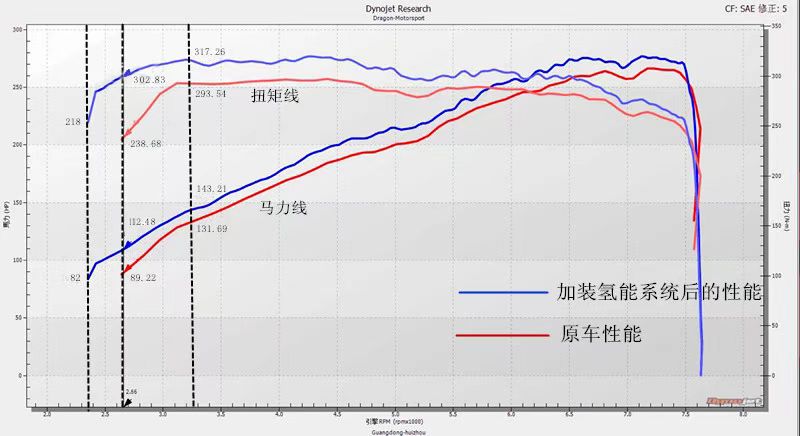
In conclusion, the hydrogen truck generator is not just a passing trend; it is a legitimate tool for reducing operational costs and extending the life of your fleet. By achieving 15-25% fuel savings while simultaneously eliminating carbon deposits that rob your engine of power, this technology offers one of the fastest returns on investment in the automotive industry today. Whether you are looking to reduce exhaust emissions, improve your bottom line, or simply make your diesel engine run like new, HHO technology delivers a powerful punch of sustainable performance.