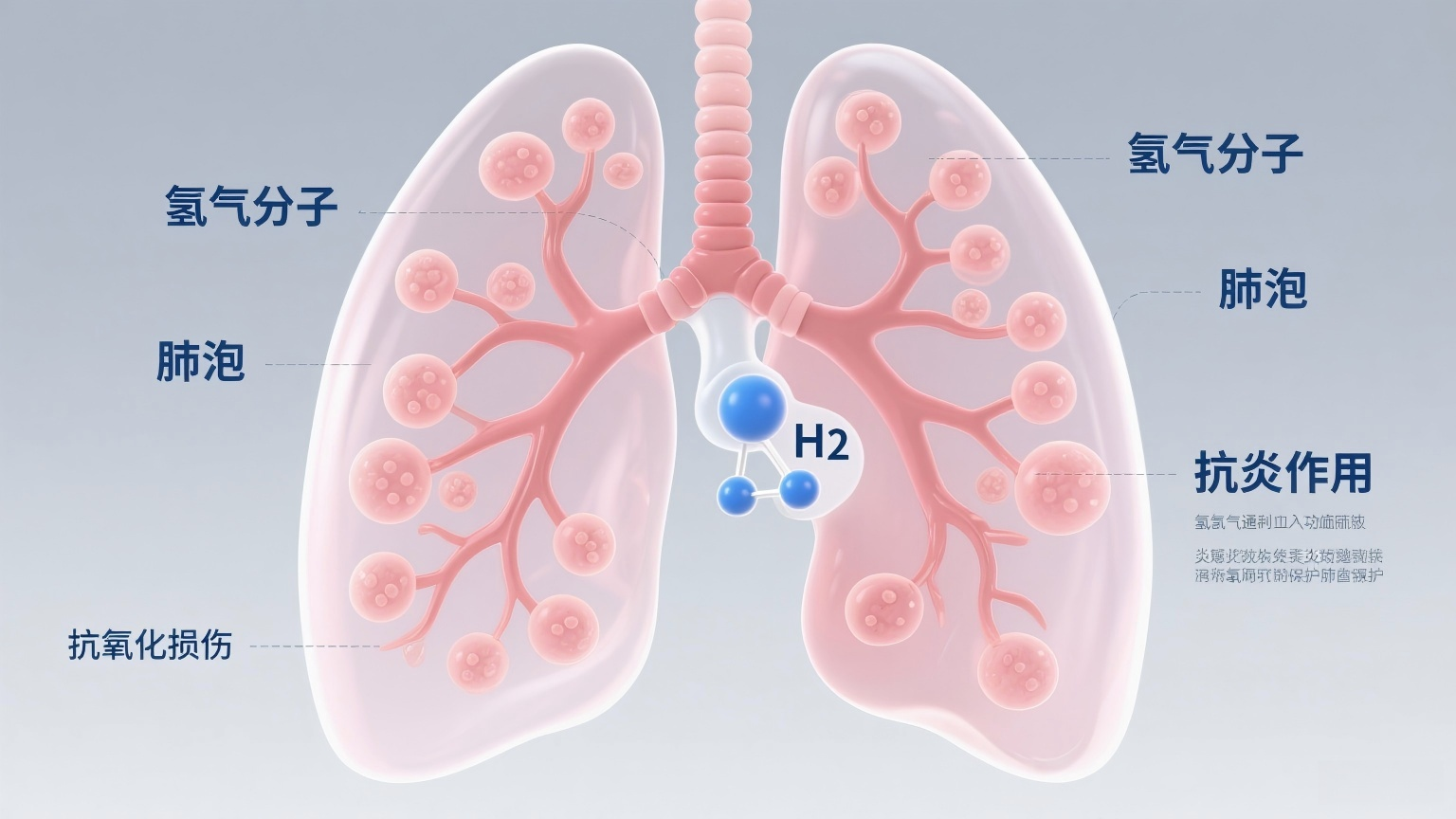
 Understanding Hydrogen: A Natural Therapeutic Agent Hydrogen is the smallest and lightest molecule in the universe, allowing it to easily penetrate cell membranes, tissues, and even organelles like mitochondria (the "powerhouses" of cells). Unlike many antioxidants, hydrogen selectively neutralizes harmful reactive oxygen species (ROS) — molecules linked to inflammation, cellular damage, and chronic diseases — without disrupting beneficial ROS that support normal cell function. This unique property makes it a safe and effective anti-inflammatory and antioxidant agent, particularly valuable for respiratory health. Benefits of Breathing Hydrogen for Lung Health and Cough Relief Coughing is often a protective reflex triggered by irritation, inflammation, or infection in the respiratory tract (e.g., lungs, throat, or bronchial tubes). Hydrogen inhalation can address the root causes of cough by: 1. Reducing Inflammation in the Lungs
Chronic or acute lung inflammation (e.g., from asthma, bronchitis, or environmental irritants) can lead to persistent coughing. Hydrogen’s anti-inflammatory properties help lower levels of pro-inflammatory cytokines (proteins that fuel inflammation), calming irritated lung tissues and reducing the urge to cough. Studies suggest hydrogen inhalation may improve lung function in conditions like chronic obstructive pulmonary disease (COPD) by mitigating inflammation and oxidative stress. 2. Soothe Irritated Airways**
Irritants such as smoke, pollution, or allergens can damage the delicate lining of the airways, triggering coughing. Hydrogen’s ability to neutralize ROS helps repair this damage and protect airway cells, reducing irritation and providing relief from dry or productive coughs. 3. Supporting Mucus Clearance
Excess mucus buildup (common in conditions like bronchitis) can obstruct airways and cause coughing. Hydrogen may help regulate mucus production and improve ciliary function (tiny hair-like structures that move mucus out of the lungs), making it easier to clear mucus and reducing cough frequency. How Hydrogen Inhalation Aids in Fighting Colds
Colds are viral infections that affect the upper respiratory tract, causing symptoms like sore throat, congestion, coughing, and fatigue. Hydrogen can support recovery by: 1. Boosting Antiviral Defenses
While hydrogen is not an antiviral drug, it enhances the body’s natural immune response. By reducing oxidative stress and inflammation, it helps immune cells (e.g., T-cells and natural killer cells) function more effectively to combat the virus. 2. Alleviating Cold Symptoms
The inflammation and irritation caused by cold viruses lead to symptoms like a runny nose, sore throat, and cough. Hydrogen’s anti-inflammatory effects can reduce swelling in the nasal passages and throat, ease discomfort, and shorten the duration of these symptoms. 3. Reducing Fatigue and Speeding Recovery
Viral infections often trigger systemic inflammation, leaving you feeling tired. Hydrogen helps lower this inflammation, supporting energy levels and accelerating the body’s healing process. Choosing a Hydrogen Inhalation Device
To experience these benefits, using a high-quality hydrogen inhalation device is key. Look for devices that:
- Generate pure hydrogen (avoid mixed gases with impurities).
- Allow adjustable flow rates (typically 300–600 mL/min for therapeutic use).
- Include safety features (e.g., pressure valves to prevent buildup).
Reputable brands offer portable, user-friendly devices designed for home use, making it easy to incorporate hydrogen inhalation into your daily routine, especially during cold seasons or when managing respiratory discomfort.
## Conclusion
Hydrogen inhalation shows great promise as a natural, non-invasive way to support lung health, relieve coughs, and aid in cold recovery by targeting inflammation, oxidative stress, and immune function. While research is ongoing, early studies and anecdotal evidence highlight its potential as a complementary therapy. As with any new health practice, consult a healthcare provider before starting hydrogen inhalation, especially if you have pre-existing respiratory conditions.
Breathe easier — explore the benefits of hydrogen for your respiratory wellness today.
Understanding Hydrogen: A Natural Therapeutic Agent Hydrogen is the smallest and lightest molecule in the universe, allowing it to easily penetrate cell membranes, tissues, and even organelles like mitochondria (the "powerhouses" of cells). Unlike many antioxidants, hydrogen selectively neutralizes harmful reactive oxygen species (ROS) — molecules linked to inflammation, cellular damage, and chronic diseases — without disrupting beneficial ROS that support normal cell function. This unique property makes it a safe and effective anti-inflammatory and antioxidant agent, particularly valuable for respiratory health. Benefits of Breathing Hydrogen for Lung Health and Cough Relief Coughing is often a protective reflex triggered by irritation, inflammation, or infection in the respiratory tract (e.g., lungs, throat, or bronchial tubes). Hydrogen inhalation can address the root causes of cough by: 1. Reducing Inflammation in the Lungs
Chronic or acute lung inflammation (e.g., from asthma, bronchitis, or environmental irritants) can lead to persistent coughing. Hydrogen’s anti-inflammatory properties help lower levels of pro-inflammatory cytokines (proteins that fuel inflammation), calming irritated lung tissues and reducing the urge to cough. Studies suggest hydrogen inhalation may improve lung function in conditions like chronic obstructive pulmonary disease (COPD) by mitigating inflammation and oxidative stress. 2. Soothe Irritated Airways**
Irritants such as smoke, pollution, or allergens can damage the delicate lining of the airways, triggering coughing. Hydrogen’s ability to neutralize ROS helps repair this damage and protect airway cells, reducing irritation and providing relief from dry or productive coughs. 3. Supporting Mucus Clearance
Excess mucus buildup (common in conditions like bronchitis) can obstruct airways and cause coughing. Hydrogen may help regulate mucus production and improve ciliary function (tiny hair-like structures that move mucus out of the lungs), making it easier to clear mucus and reducing cough frequency. How Hydrogen Inhalation Aids in Fighting Colds
Colds are viral infections that affect the upper respiratory tract, causing symptoms like sore throat, congestion, coughing, and fatigue. Hydrogen can support recovery by: 1. Boosting Antiviral Defenses
While hydrogen is not an antiviral drug, it enhances the body’s natural immune response. By reducing oxidative stress and inflammation, it helps immune cells (e.g., T-cells and natural killer cells) function more effectively to combat the virus. 2. Alleviating Cold Symptoms
The inflammation and irritation caused by cold viruses lead to symptoms like a runny nose, sore throat, and cough. Hydrogen’s anti-inflammatory effects can reduce swelling in the nasal passages and throat, ease discomfort, and shorten the duration of these symptoms. 3. Reducing Fatigue and Speeding Recovery
Viral infections often trigger systemic inflammation, leaving you feeling tired. Hydrogen helps lower this inflammation, supporting energy levels and accelerating the body’s healing process. Choosing a Hydrogen Inhalation Device
To experience these benefits, using a high-quality hydrogen inhalation device is key. Look for devices that:
- Generate pure hydrogen (avoid mixed gases with impurities).
- Allow adjustable flow rates (typically 300–600 mL/min for therapeutic use).
- Include safety features (e.g., pressure valves to prevent buildup).
Reputable brands offer portable, user-friendly devices designed for home use, making it easy to incorporate hydrogen inhalation into your daily routine, especially during cold seasons or when managing respiratory discomfort.
## Conclusion
Hydrogen inhalation shows great promise as a natural, non-invasive way to support lung health, relieve coughs, and aid in cold recovery by targeting inflammation, oxidative stress, and immune function. While research is ongoing, early studies and anecdotal evidence highlight its potential as a complementary therapy. As with any new health practice, consult a healthcare provider before starting hydrogen inhalation, especially if you have pre-existing respiratory conditions.
Breathe easier — explore the benefits of hydrogen for your respiratory wellness today.