When smoking, a large number of free radicals will "run rampant" in the body. These free radicals are like a group of "destroyers". With their powerful oxidizing properties, they wantonly attack biological molecules such as lipids, proteins, and DNA within cells, disrupting the normal operation order of cells and further triggering a series of health problems such as accelerated aging and respiratory tract inflammation.
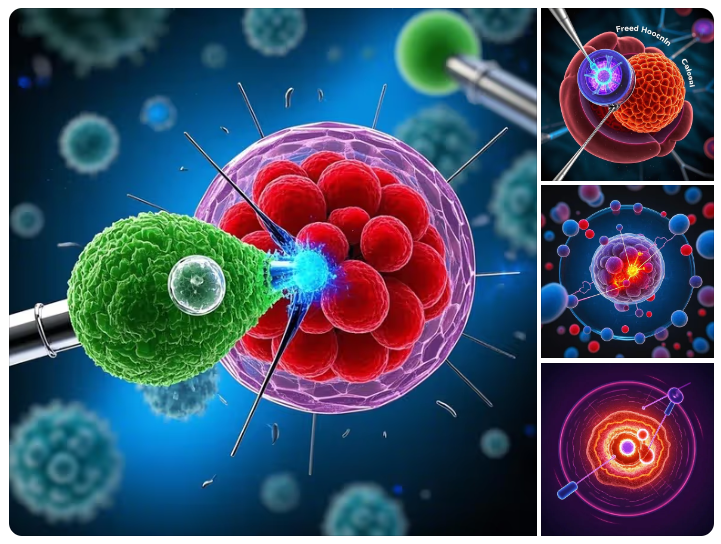
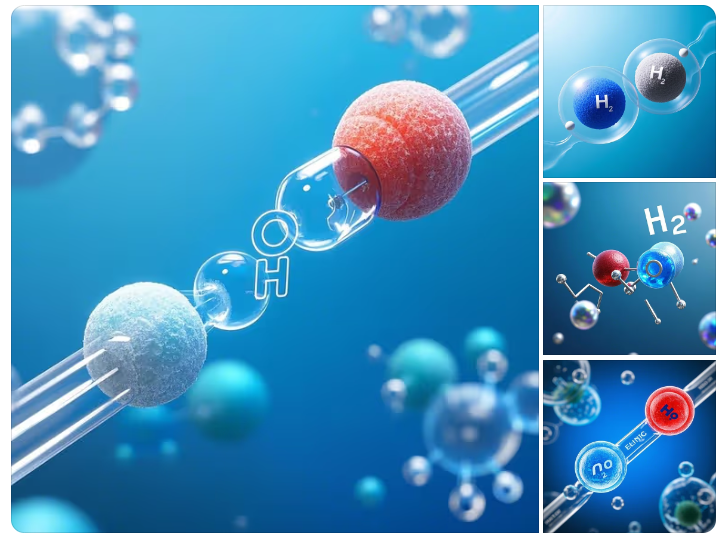
Hydrogen has a unique selective antioxidant ability. It is like a precise "guard" that can specifically neutralize free radicals harmful to the body, effectively reducing the oxidative stress response caused by smoking. In this way, hydrogen can minimize the damage of free radicals to body cells and tissues, helping smokers relieve the chronic inflammatory state of the body and building a solid defense for maintaining the normal structure and function of cells.
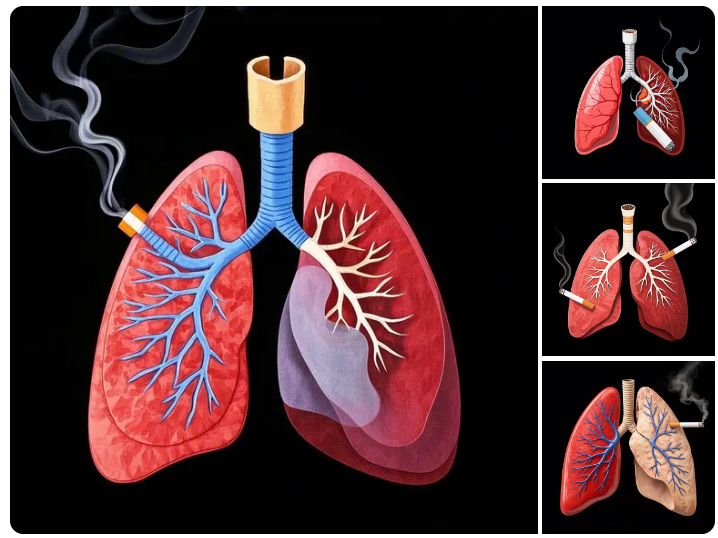
Smoking can be regarded as the "number one killer" of respiratory system health. Long-term smoking will severely damage the mucous membranes of the trachea and bronchi, resulting in a significant reduction in the ciliary movement function of the airways and out-of-control mucus secretion. Subsequently, symptoms such as coughing, expectoration, and asthma will frequently occur. More seriously, diseases such as chronic obstructive pulmonary disease and lung cancer may also follow.
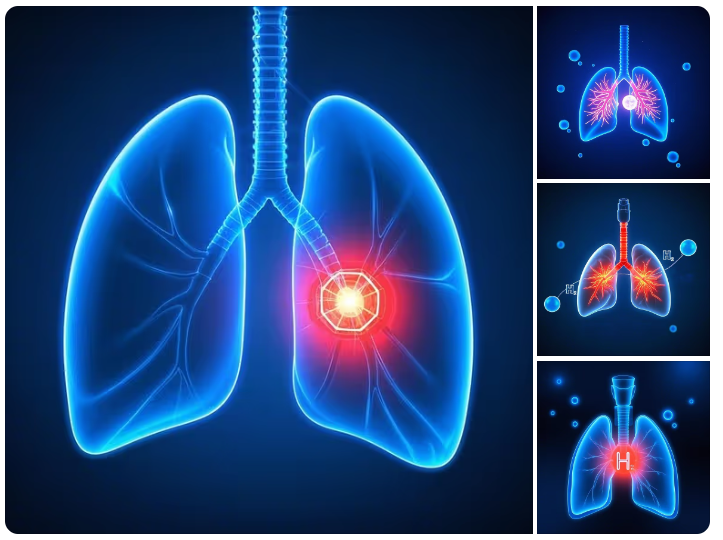
After smokers breathe hydrogen, the situation will improve. Hydrogen can reduce the inflammatory response in the lungs, as if putting a "protective coat" on the lungs, inhibiting the "release army" of inflammatory factors and safeguarding important structures such as airway mucous membranes and alveoli. Meanwhile, its antioxidant effect is like a "repair craftsman", alleviating the oxidative damage to the lungs caused by smoking and delaying the decline of lung function as much as possible, helping smokers maintain a relatively healthy state of the respiratory system.
Smoking will put vascular endothelial cells in a "dangerous situation", leading to disorders in the contraction and dilation functions of blood vessels. It will also "instigate" adverse phenomena such as abnormal blood lipid levels and platelet aggregation to "make trouble", thereby laying numerous hidden dangers for the occurrence of cardiovascular diseases such as atherosclerosis and coronary heart disease.
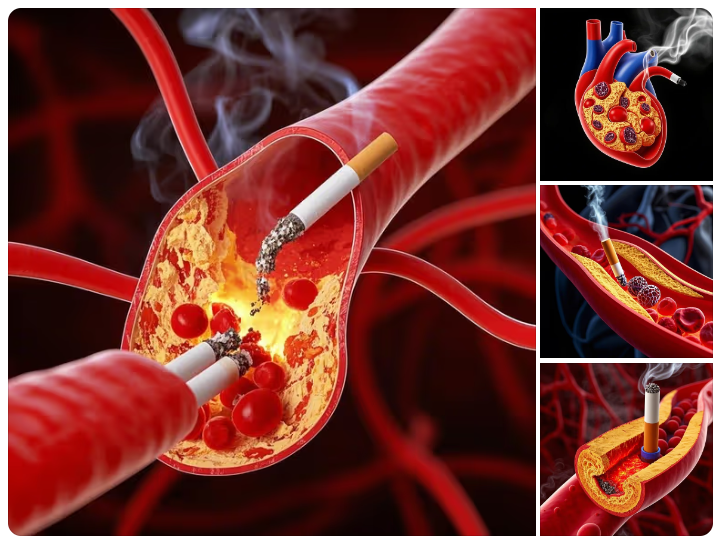
The emergence of hydrogen has brought a glimmer of hope for cardiovascular health. It can regulate the functions of vascular endothelial cells, prompt them to release substances that dilate blood vessels, and help blood vessels regain a good state of contraction and dilation. Moreover, hydrogen can reduce the damage to blood vessel walls caused by the oxidative stress triggered by smoking and lower the levels of inflammatory factors in the blood, acting like a "traffic commander" to systematically inhibit the development of atherosclerosis and comprehensively safeguard the cardiovascular health of smokers.
Smokers are often troubled by problems such as easily feeling tired and having poor mental states. Behind this is the "mischief" caused by the multi-system damage and chronic inflammation in the body due to smoking. The intake of hydrogen is like injecting a "source of vitality" into the body. It helps to reduce the body's inflammatory burden, regulate the internal environment of the body, and enhance the body's antioxidant defense ability. With the help of hydrogen, smokers can relieve fatigue to a certain extent, regain a better mental state, and improve their overall quality of life, enabling the body's functions to remain at a relatively ideal level under the influence of smoking, this adverse health factor.