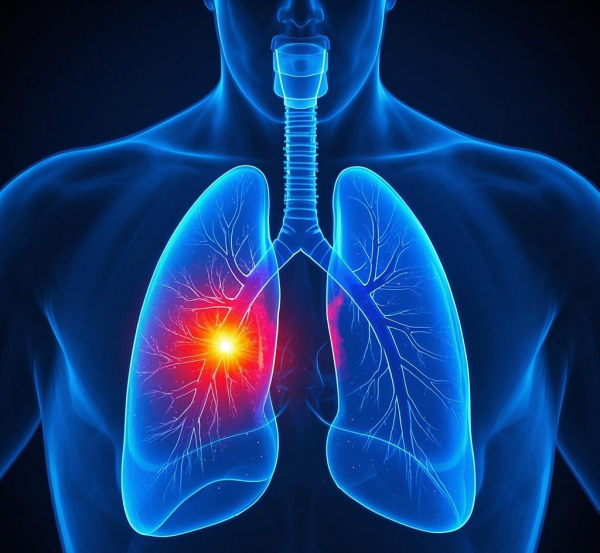
Lung diseases like chronic obstructive pulmonary disease (COPD), asthma, and bronchitis are often characterized by chronic inflammation within the lungs. Hydrogen, which is a key component of the gas mixture provided by hydrogen-oxygen inhalation machines, has potent anti-inflammatory effects. When inhaled, hydrogen can reach the affected areas of the lungs and target the inflammatory cells and mediators. It helps to suppress the overactive immune response that leads to inflammation, reducing the swelling and irritation of the airways and lung tissues. This, in turn, alleviates symptoms such as coughing, wheezing, and shortness of breath that are commonly associated with inflammatory lung conditions.
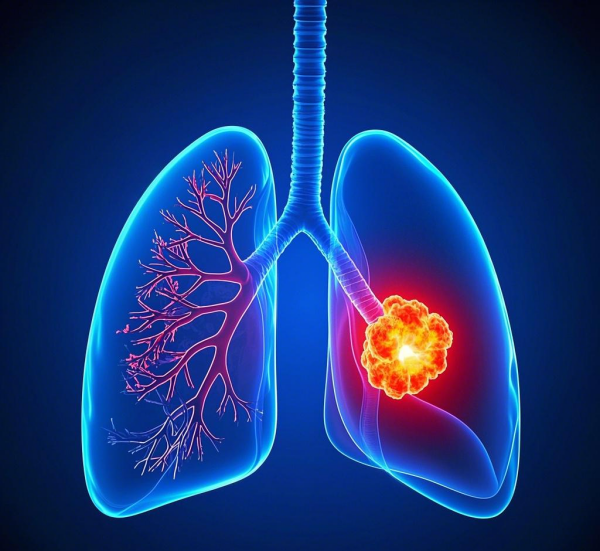
Our lungs are constantly exposed to harmful substances in the environment, including pollutants, cigarette smoke, and toxins, which generate excessive free radicals. These free radicals can cause oxidative damage to lung cells, impairing their normal functions and contributing to the progression of lung diseases. Hydrogen is a powerful antioxidant that can selectively neutralize these harmful free radicals in the lungs. By using hydrogen-oxygen inhalation machines, patients can introduce hydrogen into their respiratory system, allowing it to scavenge the free radicals and protect the lung cells from oxidative stress. This antioxidant action helps to maintain the integrity of the lung tissues and slow down the deterioration of lung function over time.
In many lung diseases, the efficiency of gas exchange in the alveoli (the tiny air sacs in the lungs where oxygen enters the bloodstream and carbon dioxide is removed) is compromised. For example, in conditions like pulmonary fibrosis or pneumonia, the structure of the alveoli may be damaged or thickened, making it difficult for oxygen to diffuse into the blood and for carbon dioxide to be excreted properly. Hydrogen-oxygen mixtures can improve the microenvironment of the lungs by reducing inflammation and oxidative damage. This helps to keep the alveoli more elastic and open, facilitating better gas exchange. As a result, patients can experience improved oxygen uptake, reduced feelings of breathlessness, and an overall enhancement in their respiratory function.
Address:201-1, No.5 Complex Building, No.11 Butang Middle Road, Huotuo High-tech Zone (Tongxiang) Industrial Base, Xiamen
Phone:+86 15160023024 / +86 15659984763
Email:[email protected] / [email protected]