These scientific articles, although promising and interesting, do not constitute clinical guidelines that hydrogen can cure or prevent a specific disease. Consult your medical health provider for medical questions.
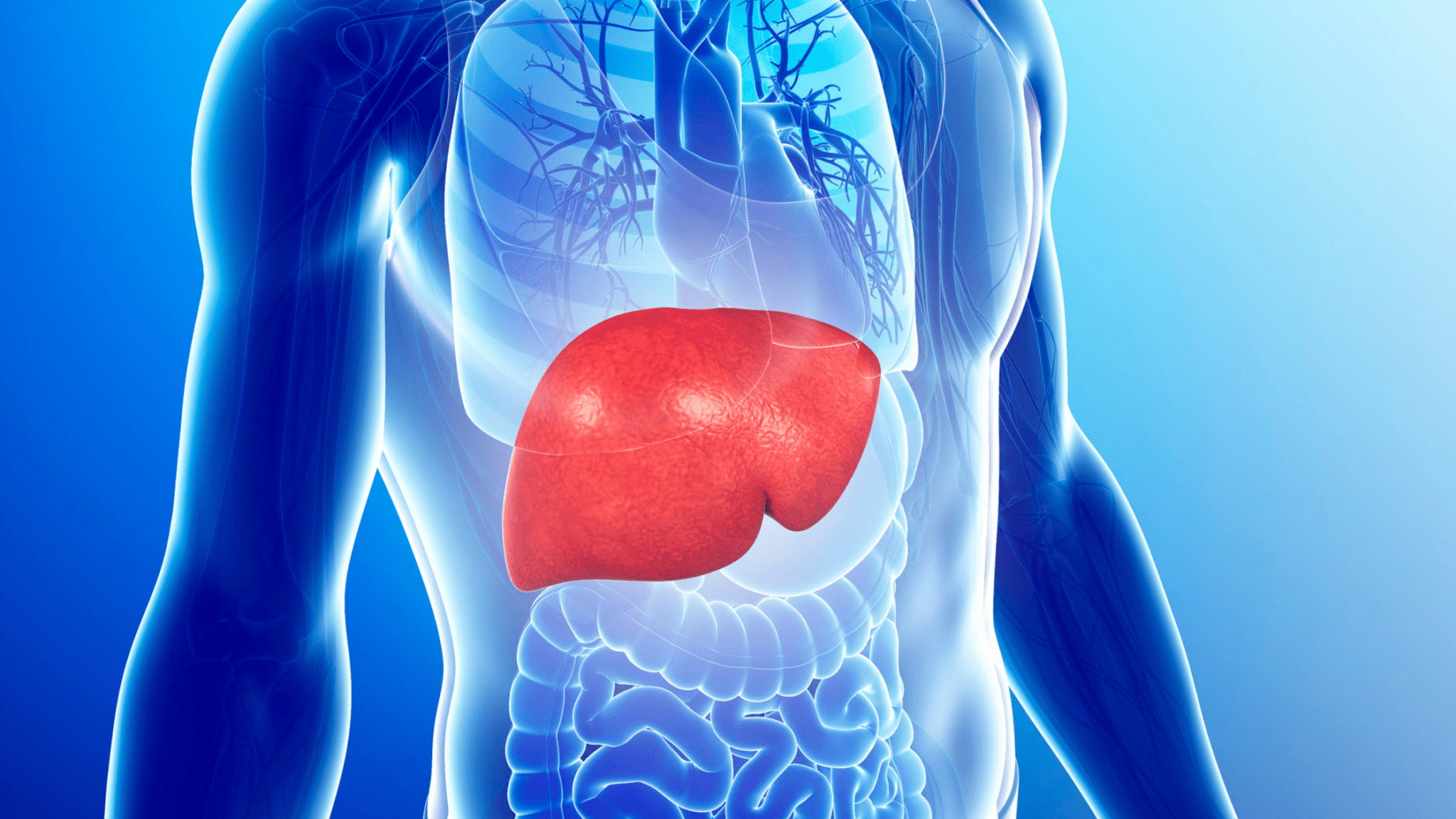
Early research on hydrogen in liver diseases
The application research of hydrogen in the field of liver is very prominent. As early as 2001, scholars in the field of diving medicine in France hoped to prove the antioxidant effect of hydrogen. With the help of equipment, technology, and personnel from the famous saturation diving equipment company COMEX SA in Marseille, France, they conducted this research.
The study allowed mice infected with Japanese schistosomiasis to breathe a mixture of hydrogen and oxygen (hydrogen concentration of 87.5%, partial pressure of 0.7 Mpa) continuously for 14 days to observe the effects on mouse liver function, liver tissue oxidative damage, fibrosis, and blood inflammatory response. The results showed that continuous breathing of high-pressure hydrogen had a significant protective effect on liver tissue damage, inflammatory response, and later liver fibrosis in animals with liver schistosomiasis. It can be said that this study has a certain pioneering significance, as it is the earliest literature to prove that hydrogen has anti-inflammatory and anti liver fibrosis effects.
The research group of Academician Wang Hongyang from Dongfang Hepatobiliary Surgery Hospital on "Hydrogen Treatment for Liver Injury" was published in the internationally renowned journal Journal of Hepatology. This is the first time that Chinese scholars have published a paper on hydrogen biology research in a journal with a score of 10 or above. This indicates that our development momentum in the field of hydrogen molecular medicine research is relatively good, but the number of relatively good papers published internationally exceeds that of Chinese scholars, indicating that there is still a significant gap between us and international peers.
Oxidative damage caused by reactive oxygen species is a common pathophysiological process in many liver injuries. Antioxidants can reduce liver damage, and the selective antioxidant activity of hydrogen gas is a recent research hotspot. However, research on liver injury is still not systematic and comprehensive enough.
This study used three animal models of liver injury, GalN/LPS, CCl4, and DEN, to evaluate the degree of oxidative damage, cell death, and inflammatory response by detecting hydrogen and reactive oxygen species levels. The therapeutic effects of hydrogen physiological saline on various liver injuries were observed and their mechanisms were explored.
The research results found that hydrogen physiological saline has a significant inhibitory effect on acute liver injury, liver fibrosis, and liver cell proliferation, while the activity of cell death related molecules such as JNK and caspase-3 decreases. The research results have shown that hydrogen gas can not only treat acute liver injury, but also treat cirrhosis.
Zhang, C.B., et al., Hydrogen gas inhalation protects against liver ischemia/reperfusion injury by activating the NF-κB signaling pathway. Experimental and Therapeutic Medicine, 2015. 9(6): p. 2114-2120.
Yu, J., et al., Molecular hydrogen attenuates hypoxia/reoxygenation injury of intrahepatic cholangiocytes by activating Nrf2 expression. Toxicol Lett, 2015. 238(3): p. 11-19.
Sobue, S., et al., Simultaneous oral and inhalational intake of molecular hydrogen additively suppresses signaling pathways in rodents. Mol Cell Biochem, 2015. 403(1-2): p. 231-41.
Lee, P.C., et al., Concomitant inhibition of oxidative stress and angiogenesis by chronic hydrogen-rich saline and N-acetylcysteine treatments improves systemic, splanchnic and hepatic hemodynamics of cirrhotic rats. Hepatol Res, 2015. 45(5): p. 578-88.
Tan, Y.C., et al., Hydrogen-rich saline attenuates postoperative liver failure after major hepatectomy in rats. Clin Res Hepatol Gastroenterol, 2014. 38(3): p. 337-45.
Matsuno, N., et al., Beneficial effects of hydrogen gas on porcine liver reperfusion injury with use of total vascular exclusion and active venous bypass. Transplant Proc, 2014. 46(4): p. 1104-6.
Liu, Y., et al., Protective effects of hydrogen enriched saline on liver ischemia reperfusion injury by reducing oxidative stress and HMGB1 release. BMC Gastroenterol, 2014. 14: p. 12.
Koyama, Y., et al., Effects of oral intake of hydrogen water on liver fibrogenesis in mice. Hepatol Res, 2014. 44(6): p. 663-677.
Xu, X.F. and J. Zhang, Saturated hydrogen saline attenuates endotoxin-induced acute liver dysfunction in rats. Physiol Res, 2013. 62(4): p. 395-403.
Xia, C., et al., Effect of hydrogen-rich water on oxidative stress, liver function, and viral load in patients with chronic hepatitis B. Clin Transl Sci, 2013. 6(5): p. 372-5.
Wang, W., et al., Effects of hydrogen-rich saline on rats with acute carbon monoxide poisoning. Journal of Emergency Medicine, 2013. 44(1): p. 107-15.
Liu, G.D., et al., Molecular hydrogen regulates the expression of miR-9, miR-21 and miR-199 in LPS-activated retinal microglia cells. Int J Ophthalmol, 2013. 6(3): p. 280-5.
Xiang, L., et al., Inhalation of hydrogen gas reduces liver injury during major hepatotectomy in swine. World Journal of Gastroenterology, 2012. 18(37): p. 5197-5204.
Nishimura, N., et al., Pectin and high-amylose maize starch increase caecal hydrogen production and relieve hepatic ischaemia-reperfusion injury in rats. Br J Nutr, 2012. 107(4): p. 485-92.
Sun, H., et al., The protective role of hydrogen-rich saline in experimental liver injury in mice. Journal of Hepatology, 2011. 54(3): p. 471-80.
Shen, M.H., et al., Hydrogen as a novel and effective treatment of acute carbon monoxide poisoning. Medical Hypotheses, 2010. 75(2): p. 235-237.
Liu, Q., et al., Hydrogen-rich saline protects against liver injury in rats with obstructive jaundice. Liver International, 2010. 30(7): p. 958-968.
Tsai, C.F., et al., Hepatoprotective effect of electrolyzed reduced water against carbon tetrachloride-induced liver damage in mice. Food Chem Toxicol, 2009. 47(8): p. 2031-6.
Park, S.K., et al., Electrolyzed-reduced water inhibits acute ethanol-induced hangovers in Sprague-Dawley rats. Biomed Res, 2009. 30(5): p. 263-9.
Kajiya, M., et al., Hydrogen from intestinal bacteria is protective for Concanavalin A-induced hepatitis. Biochem Biophys Res Commun, 2009. 386(2): p. 316-21.
Itoh, T., et al., Molecular hydrogen suppresses FcepsilonRI-mediated signal transduction and prevents degranulation of mast cells. Biochem Biophys Res Commun, 2009. 389(4): p. 651-6.
Gharib, B., et al., Anti-inflammatory properties of molecular hydrogen: investigation on parasite-induced liver inflammation. C R Acad Sci III, 2001. 324(8): p. 719-724.
Li, H., et al., Hydrogen-rich saline protects against small-scale liver ischemia-reperfusion injury by inhibiting endoplasmic reticulum stress. Life Sci, 2018. 194: p. 7-14.
Ishikawa, T., et al., Post-reperfusion hydrogen gas treatment ameliorates ischemia reperfusion injury in rat livers from donors after cardiac death: a preliminary study. Surg Today, 2018.
Chen, M., et al., Hydrogen protects against liver injury during CO2 pneumoperitoneum in rats. Oncotarget, 2018. 9(2): p. 2631-2645.
Zhai, X., et al., Hydrogen-rich saline improves nonalcoholic fatty liver disease by alleviating oxidative stress and activating hepatic PPARalpha and PPARgamma. Mol Med Rep, 2017. 15(3): p. 1305-1312.
Wang, D., et al., The protective role of hydrogen-rich saline against liver injury caused by acetaminophen in mice. Int J Clin Exp Med, 2017. 10(8): p. 11646-11654.
Uto, K., et al., Hydrogen Rich Solution Attenuates Cold Ischemia-Reperfusion Injury in Rat Liver Transplantation. Transplantation, 2017. 101(5S-3): p. S18.
Lin, C.P., et al., Anti-oxidant and anti-inflammatory effects of hydrogen-rich water alleviate ethanol-induced fatty liver in mice. World J Gastroenterol, 2017. 23(27): p. 4920-4934.
Li, H., et al., Inhalation of high concentrations of hydrogen ameliorates liver ischemia/reperfusion injury through A2A receptor mediated PI3K-Akt pathway. Biochem Pharmacol, 2017. 130: p. 83-92.
Iketani, M., et al., Preadministration of Hydrogen-Rich Water Protects Against Lipopolysaccharide-Induced Sepsis and Attenuates Liver Injury. Shock, 2017. 48(1): p. 85-93.
Golshahi, H., et al., Protective effect of intraportal infusion of hypothermic hydrogen-rich saline solution on hepatic warm ischemia/reperfusion injury in rat model. Brazilian Journal of Veterinary Pathology, 2017. 10(1): p. 10-21.
Shimada, S., et al., Hydrogen Gas Ameliorates Hepatic Reperfusion Injury After Prolonged Cold Preservation in Isolated Perfused Rat Liver. Artif Organs, 2016. 40(12): p. 1128-1136.
Shi, Q., et al., Hydrogen-Rich Saline Attenuates Acute Hepatic Injury in Acute Necrotizing Pancreatitis by Inhibiting Inflammation and Apoptosis, Involving JNK and p38 Mitogen-Activated Protein Kinase-dependent Reactive Oxygen Species. Pancreas, 2016. 45(10): p. 1424-1431.
Liu, Q., et al., Hydrogen-rich saline protects against mitochondrial dysfunction and apoptosis in mice with obstructive jaundice. Mol Med Rep, 2016. 13(4): p. 3588-96.
Zhang, J.Y., et al., Hydrogen-rich water protects against acetaminophen-induced hepatotoxicity in mice. World J Gastroenterol, 2015. 21(14): p. 4195-209.