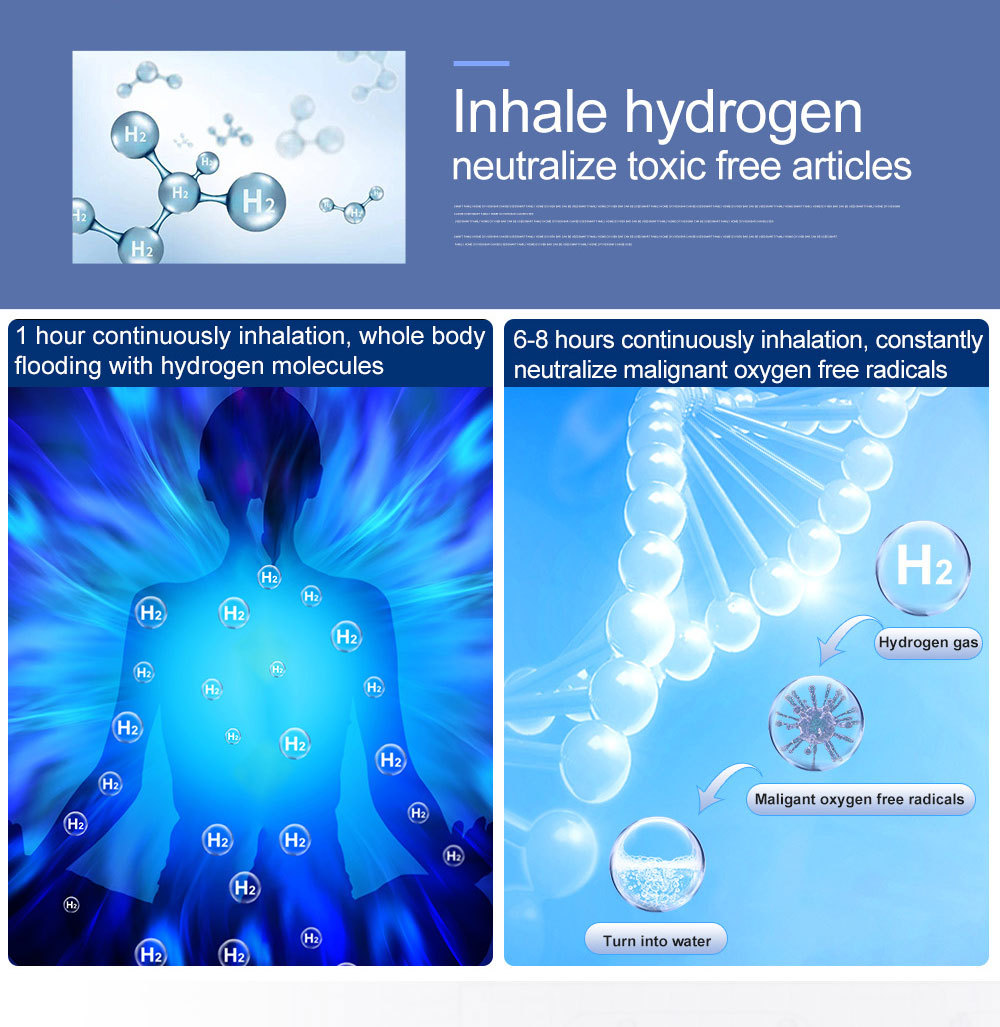
In 2008, Japanese scholars such as Professor Kajiyama published a paper in Nutrition Research, which confirmed through clinical double-blind trials that hydrogen rich water has a positive effect on human physiological and metabolic activities, initiating research on the application of hydrogen in healthcare. In recent years, hydrogen gas has gradually been developed as a medical gas due to its antioxidant, anti apoptotic, and anti-inflammatory effects, and is widely used in the treatment of various diseases.
2020 is a milestone year in the development of hydrogen medicine. On March 3, the National Health Commission issued the Diagnosis and Treatment Plan for novel coronavirus Pneumonia (Tentative Seventh Edition). In the treatment section, in addition to general oxygen therapy measures, the seventh version of the treatment plan was added with the suggestion of Academician Zhong Nanshan, which states that "hydrogen oxygen mixed inhalation therapy can be used if conditions permit".
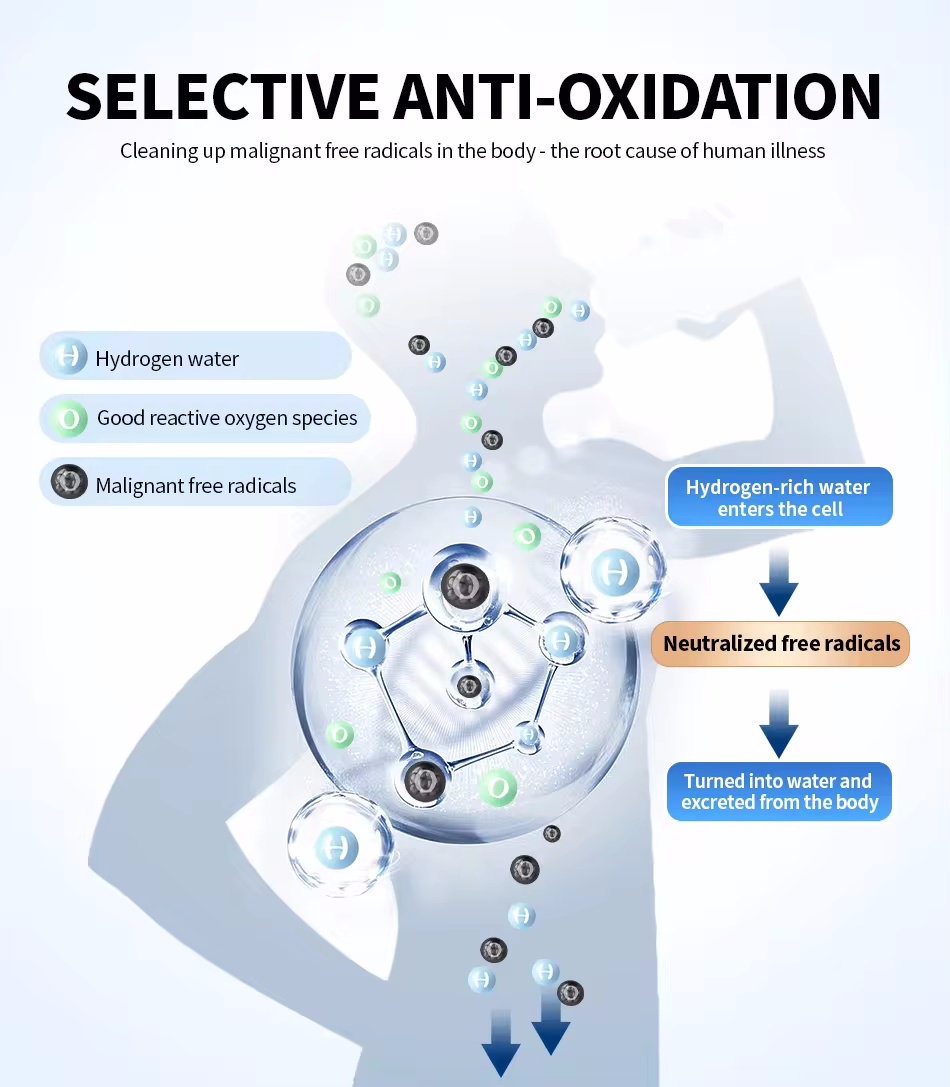
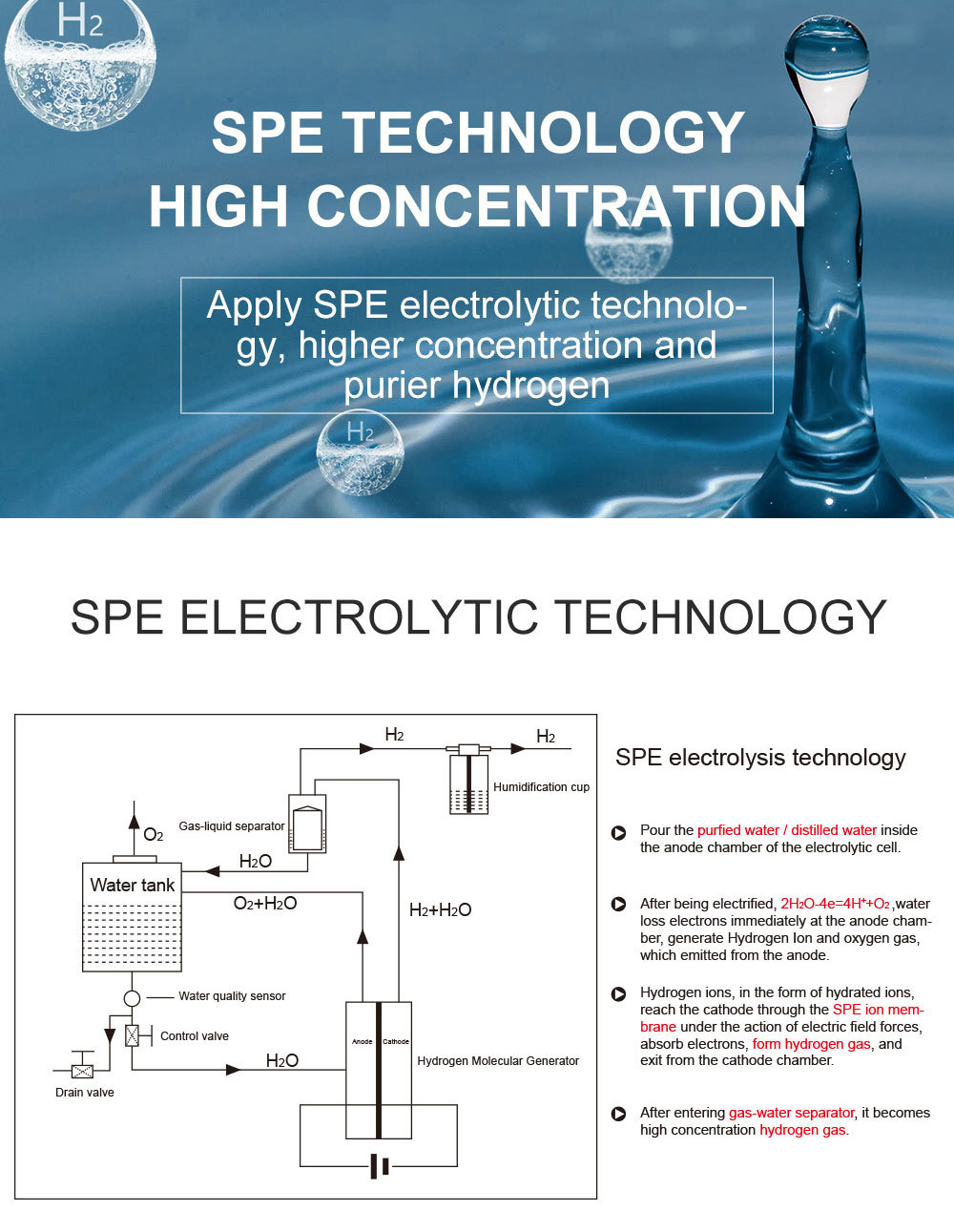
On July 13, 2022, the Medical Device Standards Management Center of the National Medical Products Administration issued a document announcing that hydrogen therapy devices are defined as Class III medical devices. The inhalation of high flow rate and high concentration hydrogen oxygen combined gas has been determined as the best way for humans to utilize hydrogen currently.
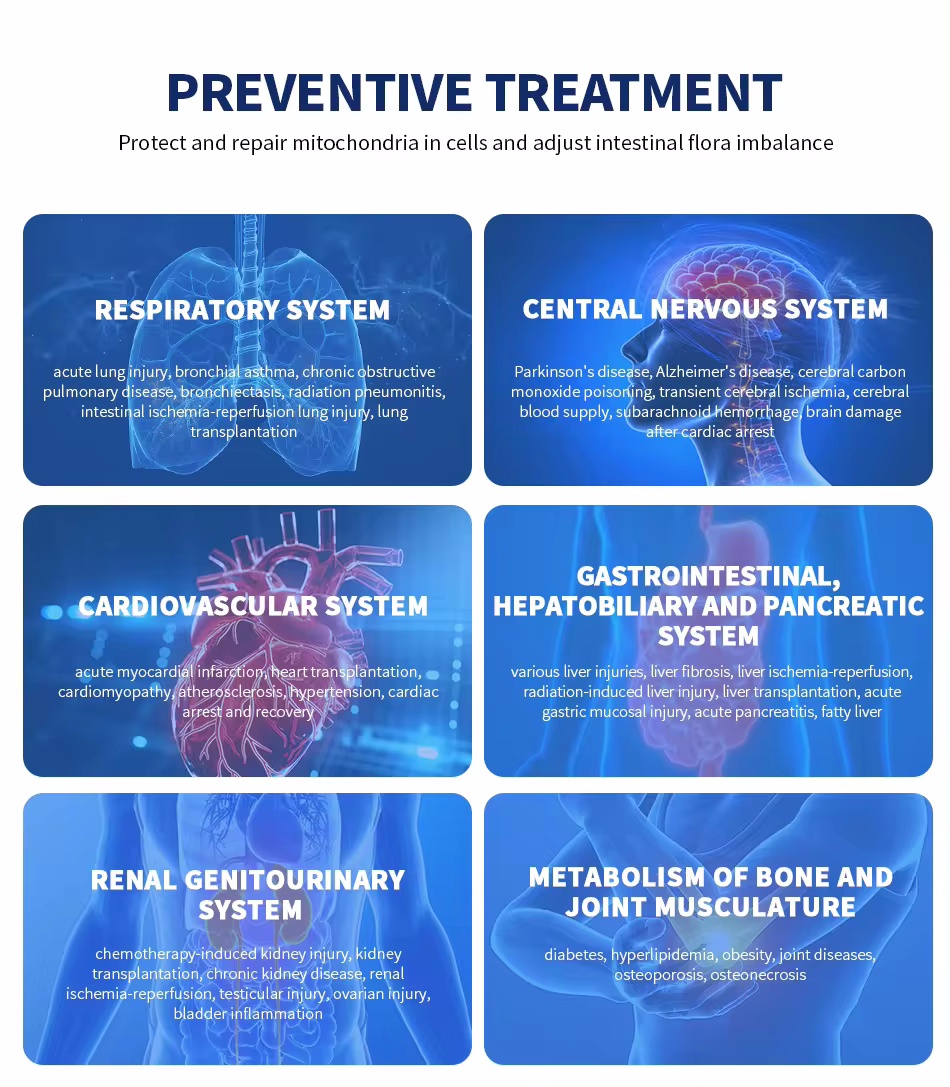
Hydrogen inhalation has a significant effect on cardiovascular and cerebrovascular diseases, including:
• Reduce the mortality rate of cardiovascular and cerebrovascular accidents;
• Reduce the infarct size, degree of cell damage, and related injuries in cardiovascular and cerebrovascular diseases;
• Beneficial for the later recovery and improvement of prognosis of the disease;
• Prevent further aggravation of damage.
Inhaling hydrogen gas can exert its anti-inflammatory effects, combat inflammation and infection, including:
• Improve post inflammation recovery;
• Reduce the damage of inflammation to important organs such as the heart, liver, kidneys, and lungs;
• Reduce the damage caused by inflammatory factors and peroxides in the body;
• Reduce the degree of inflammation in the body during severe infections.
• Hydrogen has a certain effect on tumor treatment through its anti free radical and anti-inflammatory properties:
• Slow down the development and metastasis of tumors;
As an adjuvant therapy for tumors, it can reduce toxicity and increase efficacy in radiotherapy and chemotherapy;
• Reduce damage to organs during tumor progression.
• Inhaling hydrogen gas has a good preventive and therapeutic effect on acute and chronic respiratory injury:
• It has the effect of controlling symptoms, reducing disease progression and frequency of occurrence in asthma and chronic obstructive pneumonia;
• It has a certain preventive and protective effect on the complications caused by lung diseases.
Hydrogen has the characteristic of small molecular weight, which makes it easy to penetrate the blood-brain barrier and reach the brain, thereby exerting a neuroprotective effect:
• Has a protective effect on brain damage caused by cerebral hemorrhage;
• Reduce nerve apoptosis and brain function damage caused by surgical anesthesia (sevoflurane);
• Has brain protective function against brain damage caused by surgery and trauma